













Ebola Outbreak Response
The CDC announced on Thursday that it will utilize $107 million in emergency funds to combat the Ebola outbreak, which has now become the third largest on record. As of mid-June, the DRC reported 837 confirmed cases, while Uganda had 19 confirmed cases. The outbreak, linked to a rare zoonotic Ebola species known as Bundibugyo viral disease, poses a significant threat, with health officials warning it could become the worst on record if current infection rates persist. The CDC has deployed 23 field staff to support disease investigations and is coordinating with local health authorities, who are facing challenges such as mistrust and shortages of protective equipment.
Reparations for Historical Injustices
During a conference in Ghana, Prime Minister Mia Mottley announced a manifesto from Caribbean leaders demanding reparations for the historical injustices of slavery. This updated document from the Caribbean Community (Caricom) emphasizes the "moral, ethical, and legal case" for reparations, including compensation for gender-based violence suffered by enslaved women. Mottley stated that the conference marked a historic moment, urging the international community to acknowledge slavery as a grave crime against humanity. The manifesto calls for financial compensation and formal apologies from former colonial powers, although it does not specify an amount.
Sentencing in Rhino Horn Trafficking Case
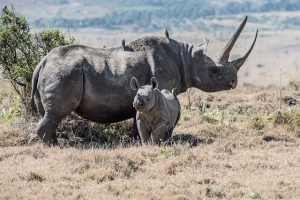
In South Africa, Dawie Groenewald and Tielman Erasmus were sentenced for their roles in what authorities have labeled the world's largest rhino horn trafficking case. Groenewald received a fine of 2 million rand or four years in prison after reaching a plea deal, while Erasmus was fined 100,000 rand or given a three-year prison sentence. The case has spanned nearly two decades, with over 1,700 charges related to illegal hunting and trafficking. South Africa is home to a significant portion of the world's rhino population but continues to struggle with rampant poaching driven by demand for rhino horn in traditional medicine.
Wrap-up
These three stories underscore critical challenges faced by nations across the globe, from health crises like Ebola to the quest for justice regarding historical injustices and the ongoing battle against environmental crimes. The responses from governments and international bodies will be crucial in addressing these pressing issues.
Sources
theguardian.com
newsis.com
@hoju-korean.com Editorial Team
























댓글목록0