










![[Summary News] Escalating Tensions in Ukraine and a Landmark US-Iran Peace Deal Mark Global Affairs](https://pixabay.com/get/gf65329b78655ab3a089d634839c2213acc82c4fd4af9e66a983b9e8fa68d10dc41deeac2cd8f5455e7ddc10cf127c8ba38da078949f578b0768c9c086ef84f98_640.jpg)
Russian Attacks on Cultural Heritage Sites in Ukraine
In Kyiv, a massive Russian missile and drone strike targeted the Dormition Cathedral within the Pechersk Lavra monastery complex, a UNESCO World Heritage site. Ukrainian President Volodymyr Zelenskyy condemned the attack, labeling it as a severe crime against Christian culture. Reports indicate that nine people were killed across Ukraine, including four in Kyiv. Ukraine's foreign minister announced plans to seek urgent international responses through UNESCO and other mechanisms to address the damage inflicted by the attacks. The strikes also caused significant damage to other cultural institutions, including the Art Arsenal museum.
Zelenskyy urged G7 leaders to bolster support for Ukraine’s air defense capabilities in light of the ongoing aggression. The attacks have drawn widespread condemnation from various countries, including Germany and France, which characterized the assault as a blatant disregard for cultural and religious heritage.
US-Iran Peace Deal and Its Implications
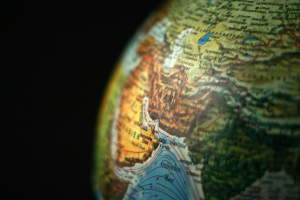
In a significant diplomatic development, US President Donald Trump announced a framework peace deal to end the ongoing conflict with Iran. The agreement, facilitated by Pakistan, reportedly includes the reopening of the Strait of Hormuz, a critical maritime passage for global oil supplies. Trump declared the deal complete, stating that military operations would cease immediately, including in Lebanon. The announcement led to a sharp decline in global oil prices and a rally in stock markets, reflecting optimism about stabilizing the energy supply chain.
Despite the positive reception, critical questions remain regarding the nuclear program negotiations and the management of the Strait of Hormuz. Iranian officials confirmed the agreement, indicating a willingness to engage in further discussions about contentious issues, including sanctions relief.
G7 Summit Preparations and Trump's Participation
As world leaders convene at the G7 summit in Évian, France, President Trump’s attendance is marked by uncertainty regarding his engagement. Macron has tailored the agenda to accommodate Trump, who is also celebrating his 80th birthday during the summit. The discussions are expected to focus on the ongoing conflicts in Ukraine and Iran, with leaders expressing concerns about the economic ramifications of these crises.
Trump's recent phone conversations with both Putin and Zelenskyy reflect his attempts to mediate the situation in Ukraine while managing US interests in the Middle East. The summit provides an opportunity for leaders to address pressing global issues, including energy security and international diplomacy.
Royal Court Case in Norway
In Norway, Marius Borg Høiby, the son of Crown Princess Mette-Marit, was sentenced to four years in prison for multiple offenses, including two counts of rape. The Oslo district court's decision follows a high-profile trial that has drawn significant media attention. Høiby was convicted of 34 offenses, including assault and violating restraining orders, and is required to pay compensation to his victims. The case has placed additional scrutiny on the Norwegian royal family, already facing challenges related to the health of Crown Princess Mette-Marit.
Wrap-up
The international landscape is currently defined by escalating tensions in Ukraine, a pivotal peace deal between the US and Iran, and domestic political challenges illustrated by the royal court case in Norway. The G7 summit serves as a crucial platform for addressing these issues, with leaders poised to respond to the complexities of global security, cultural preservation, and diplomatic relations.
Sources:
theguardian.com
@hoju-korean.com Editorial Team


















댓글목록0