













![[Summary News] Global Developments: Human Rights Concerns, Typhoon Impact, and Economic Shifts](https://pixabay.com/get/g35af57c20d0aa68c099e4049e7b57ab2dc4c5a4c1006032d255aab3e04125974f7a0c510815cc3abf678912efa2737b48868a5ce93a13e9b01647fa6aadff5b4_640.jpg)
African Charter on Family Values
A draft African charter that promotes traditional family values and rejects international human rights obligations has moved closer to becoming policy following a meeting of African governments in Ghana. The charter, which asserts that foreign ideologies threaten African culture, encourages states to withdraw from agreements that conflict with its principles, including the Maputo Protocol, which supports gender equality and reproductive rights. Critics, including legal experts and advocates for reproductive rights and LGBTQ+ communities, have condemned the charter as regressive and a potential tool for undermining existing rights. The charter's proponents argue it is necessary to protect African values, but its implications for individual rights have raised significant concerns.
Typhoon Jangmi's Impact in Japan
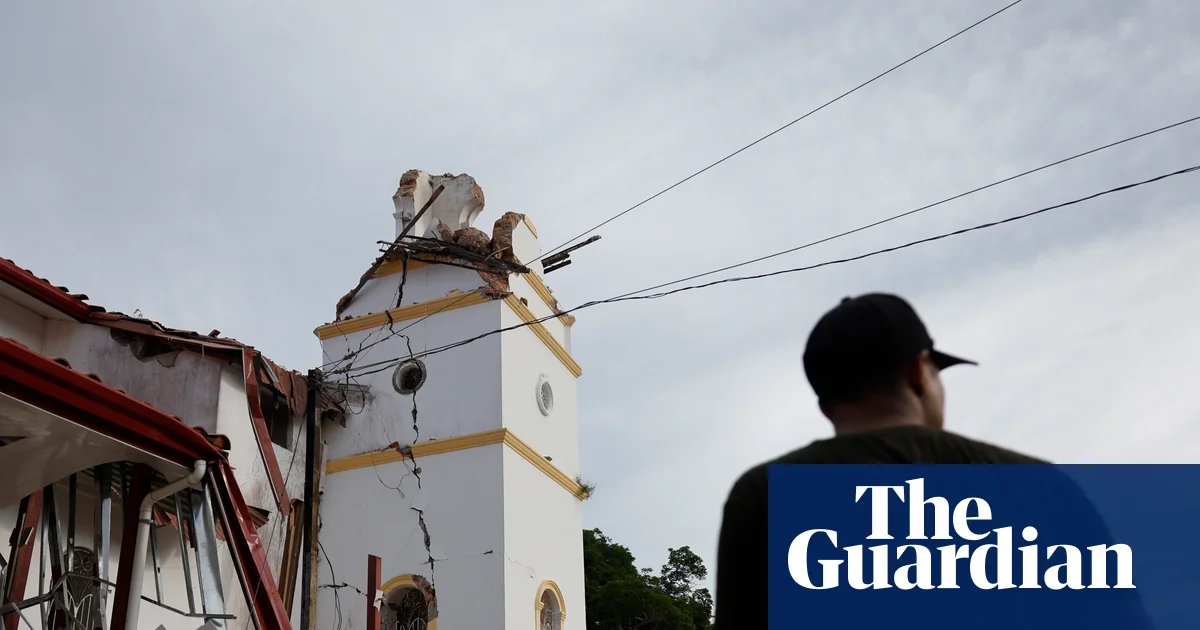
Typhoon Jangmi swept through Japan this week, causing injuries to at least 23 individuals and significant property damage. The storm, which reached sustained wind speeds of 80 mph, led to evacuation orders for approximately 1.52 million residents. Flooding and landslides were reported across several regions, with Okinawa being particularly hard-hit. The typhoon weakened into a tropical depression as it moved away from the islands, but not before damaging homes and infrastructure, including a UNESCO World Heritage site. Meanwhile, thunderstorms in the Balkans prompted warnings of flooding and lightning strikes, further complicating the region's weather situation.
Zelenskyy's Call for Negotiations
Ukrainian President Volodymyr Zelenskyy publicly urged Russian President Vladimir Putin for a face-to-face meeting to discuss ending the ongoing conflict between their nations. In a letter, Zelenskyy criticized Putin's 26-year leadership and highlighted the growing fatigue among Russians regarding the war's consequences. As Ukraine continues to regain ground on the battlefield, Zelenskyy's proposal comes amid heightened tensions and intensified military actions from Russia. Putin acknowledged the need to strengthen Russia's air defenses in response to Ukrainian drone attacks, indicating the ongoing volatility of the situation.
EU Summit with Balkan Leaders
European leaders convened in Montenegro to discuss the integration of six Western Balkan countries into the EU. The summit aimed to reaffirm the EU's commitment to enlargement amid geopolitical tensions, particularly with Russia and China vying for influence in the region. Leaders emphasized the importance of stability and security in the Balkans, with Montenegro positioned as the most advanced candidate for EU membership. However, internal political disputes and concerns regarding organized crime in countries like Albania continue to cloud the prospects for EU accession for some nations.
Economic Recovery in the UK
UK retailers experienced a resurgence in consumer footfall as warmer weather brought relief from the economic pressures stemming from the ongoing US-Israel war on Iran. Recent data indicated a notable increase in shopping activity, reversing a decline from the previous month. Consumer confidence also improved, with rising perceptions of household finances contributing to the uptick. Despite challenges such as rising unemployment and increasing energy costs, the UK economy is showing signs of resilience, prompting optimism among retailers as they anticipate further boosts from upcoming events.
Microsoft's Human Rights Measures
In response to an inquiry into the use of its technology by the Israeli military for surveillance, Microsoft announced plans to tighten its human rights controls when collaborating with national security agencies. The inquiry revealed that the Israeli military had utilized Microsoft's cloud services for mass surveillance of Palestinians, prompting the company to terminate its access to these services. Microsoft aims to enhance its governance around human rights and improve transparency in its operations, particularly in sensitive regions.
Wrap-up
This week's global events highlight the complex interplay of human rights, environmental challenges, economic recovery, and geopolitical tensions. As nations navigate these issues, the implications for individual rights, regional stability, and international relations remain critical.
Sources
theguardian.com
newsis.com
@hoju-korean.com Editorial Team
















댓글목록0