













Prison Protest in Venezuela
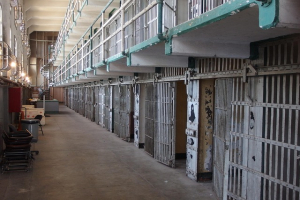
Inmates at the Barinas prison, located approximately 500 kilometers from Caracas, took to the roof to voice their grievances against alleged abuses by prison guards. They accused the director of allowing guards to shoot unarmed prisoners, resulting in injuries. One inmate, who shared a video with the Venezuelan Observatory of Prisons, displayed a bullet wound and called for justice. The protest, which included burning mattresses and chanting “No more torture,” drew attention to the dire conditions within the facility, where prisoners claimed they had been stripped of their clothing and denied family visits.
Family members of the inmates clashed with National Guard officers outside the prison as they attempted to gain access. Yelitza Arrollo, a mother of an inmate, expressed her anguish, stating she had not heard from her son since May 8 and demanded the director’s removal. The Venezuelan Observatory of Prisons reported that around 1,200 male and over 100 female inmates participated in the protest, which has been documented for human rights organizations.
Brereton's Resignation from NACC
In Australia, Paul Brereton announced his resignation as the head of the National Anti-Corruption Commission (NACC), effective July 6. Brereton cited the ongoing scrutiny of his personal matters as a distraction from the commission's mission to enhance integrity within the government. He emphasized that the success of the NACC should not be tied to any individual, including himself.
Brereton's tenure has been marred by controversy, particularly due to his consulting work for the inspector-general of the Australian Defence Force while serving as commissioner. This role involved advising on allegations of war crimes involving Australian troops in Afghanistan. Although he described this work as modest, it raised questions about potential conflicts of interest. The NACC has faced criticism for its handling of referrals from the robodebt royal commission, with findings indicating that initial decisions were influenced by bias.
Integrity advocates welcomed Brereton's resignation, noting that public confidence in the NACC has been compromised by concerns over transparency and governance. The Centre for Public Integrity's chair, Anthony Whealy, highlighted the need for the commission to restore trust in its operations.
Wrap-up
The protests in Venezuela reflect deep-seated issues within the country's prison system, highlighting human rights abuses and the desperate conditions faced by inmates. Meanwhile, the resignation of Paul Brereton from the NACC signals a significant shift in Australia's approach to combating corruption, as the commission seeks to regain public trust amid ongoing scrutiny.
Sources
theguardian.com
newsis.com
@hoju-korean.com Editorial Team






















댓글목록0