










Côte d'Ivoire Marks 10 Years Since Terror Attack
On March 13, 2016, Côte d'Ivoire experienced its first major terrorist attack when three gunmen opened fire at beachside hotels in Grand Bassam, killing 19 individuals, including nine foreigners. The attack was claimed by Al-Qaida in the Islamic Maghreb, citing retaliation for the arrest of its members. In December 2022, an Abidjan court sentenced 11 individuals to death for their roles in the attack, underscoring the ongoing threat of jihadism in the region.
Defense Minister Téné Birahima Ouattara emphasized the government's commitment to countering terrorism, stating that security forces have increased vigilance to prevent similar tragedies. Despite the relatively peaceful status of southern Côte d'Ivoire, the northern borders with Mali and Burkina Faso remain volatile, with jihadist violence spilling over from these countries. The region has seen a rise in terrorist incidents, with armed groups employing more sophisticated tactics, making it one of the most active zones of Islamist militancy globally.
Refugees Face Detention in the US
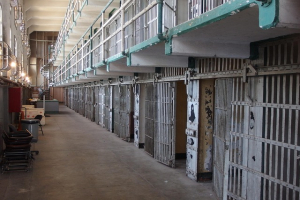
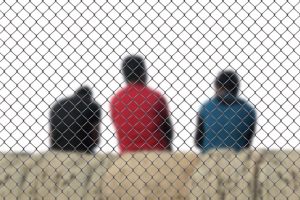
In a separate but equally concerning issue, Markens Appolon, a 25-year-old Haitian refugee, remains detained in a US Immigration and Customs Enforcement facility after seeking asylum in Canada. Appolon fled Haiti to escape gang violence but was turned over to ICE by Canadian authorities upon attempting to enter Canada. This incident has raised alarms among immigration lawyers who argue that Canada is effectively facilitating the detention of vulnerable refugees.
Erin Simpson, Appolon's lawyer, criticized Canada's actions, stating that the country is participating in the unjust treatment of asylum seekers. The Safe Third Country Agreement mandates that refugees must seek asylum in the first safe country they enter, but many legal experts contend that the US does not qualify as a safe country due to its long-term detention practices and potential deportations to dangerous situations.
Canada Tightens Asylum Policies
As Canada tightens its asylum policies, new legislation has made it more difficult for refugees to claim asylum. Critics argue that these changes reflect a shift toward more restrictive immigration practices similar to those seen during Donald Trump's administration in the United States. The tightening of the asylum system has led to a surge in cases like Appolon’s, where refugees are left in limbo, facing dire consequences for their safety and mental health.
Wrap-up
The dual crises in Côte d'Ivoire and the challenges faced by refugees at the Canada-US border highlight the complex landscape of security and humanitarian issues in today's world. Côte d'Ivoire continues to battle the threat of jihadism, while refugees like Markens Appolon confront an increasingly hostile immigration environment. These situations call for urgent attention and action from international communities to ensure safety and support for those in need.
Sources
theguardian.com
@hoju-korean.com Editorial Team











댓글목록0