













Catastrophic Flooding in Brazil
Over the past month, record floods in Minas Gerais, Brazil, have devastated the coffee industry, burying dozens of residents under landslides and forcing thousands to evacuate. The city of Juiz de Fora experienced its wettest February on record, with over 750mm of rainfall—three times the expected amount. The World Weather Attribution group attributes this extreme weather event to inadequate urban planning and socio-economic inequalities that leave vulnerable communities at risk. Experts warn that continued reliance on fossil fuels could exacerbate such disasters, with projections indicating a 7% increase in rainfall severity if global temperatures rise to 2.6C above preindustrial levels.
Urgent Call for Action
The international scientific community emphasizes the need for urgent action to phase out fossil fuels and improve urban infrastructure, particularly in high-risk areas. Regina R Rodrigues, a professor at the Federal University of Santa Catarina, highlights the importance of building shelters and enhancing early-warning systems to protect vulnerable populations. The economic ramifications of the flooding are expected to ripple globally, potentially driving up coffee prices and impacting inflation.
Energy Crisis in Asia
As Brazil faces environmental catastrophes, Asia is confronting an energy supply crisis stemming from the ongoing war in Iran. The strait of Hormuz, a critical passage for global oil supplies, has been effectively shut down, causing oil prices to surge to four-year highs before fluctuating again. Countries like China and India are adapting by increasing imports from alternative sources, but the overall instability in the region raises concerns about long-term energy security.
Impact on Global Markets
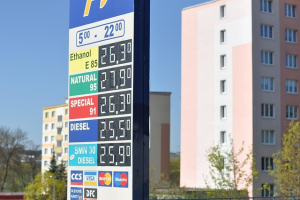
Yousef Alshammari, president of the London College of Energy Economics, warns that the prolonged closure of the strait could lead to a significant global economic crisis if oil supplies dwindle. Asian countries, particularly those heavily reliant on Middle Eastern oil, are bracing for potential shortages and rising costs. South Korea has announced its first cap on domestic fuel prices in nearly three decades, reflecting the urgency of the situation.
Wrap-up
The simultaneous crises in Brazil and Asia underscore the interconnectedness of environmental and economic challenges in today's world. As climate change exacerbates natural disasters, and geopolitical conflicts disrupt energy supplies, urgent action is needed to safeguard communities and stabilize global markets. The call for a transition to sustainable energy sources and improved infrastructure is more pressing than ever.
Sources
theguardian.com
@hoju-korean.com Editorial Team























댓글목록0