













China's Two Sessions Overview
The Two Sessions consist of the National People's Congress (NPC) and the Chinese People's Political Consultative Conference (CPPCC), which convene separately but simultaneously. The NPC, with approximately 3,000 members, serves as the legislative body of the Chinese Communist Party, while the CPPCC acts as an advisory group, comprising business leaders and public figures. The meetings feature speeches from the premier and occasionally from Xi Jinping, focusing on economic targets, military budgets, and party leadership changes. This year's discussions will center on the 15th five-year plan, outlining economic strategies from 2026 to 2030, with a focus on bolstering domestic demand and advancing technological capabilities.
Impact of Recent Military Reforms
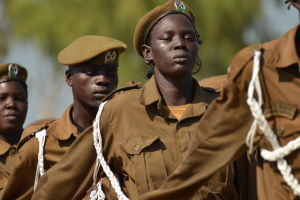
This year's sessions are also set against the backdrop of significant reforms within the People’s Liberation Army (PLA). In January, Xi Jinping initiated a corruption investigation into a top general, following the removal of several military officials. These changes reflect ongoing efforts to consolidate power and address issues of loyalty within the military ranks.
New Zealand's Language Legislation
In New Zealand, the coalition government has advanced a bill to officially recognize English, which is spoken by 95% of the population, alongside te reo Māori and New Zealand sign language. The bill, supported by the ruling coalition of the National Party and New Zealand First, aims to rectify what proponents describe as an anomaly in language status. Winston Peters, leader of New Zealand First, argued that the recognition of English would clarify its use in public services, despite criticism that the bill is politically motivated.
Criticism and Support for the Bill
Opposition parties and some linguists have labeled the bill as unnecessary, arguing that it does not address any existing issues regarding the status of English. Justice ministry officials have advised against the legislation, stating that it lacks evidence of a need for official recognition. While the National Party has indicated that the bill is not a priority, they have committed to supporting it as part of their coalition agreement.
Wrap-up
The Two Sessions in China and the proposed language legislation in New Zealand highlight contrasting political landscapes and cultural priorities. China's meetings focus on strategic economic planning and military reform, while New Zealand grapples with issues of language identity and representation. Both situations reflect broader themes of governance, identity, and the role of language in society.
Sources
theguardian.com
@hoju-korean.com Editorial Team
























댓글목록0