













Heroic Rescue by Teen Swimmer
Austin Appelbee demonstrated remarkable courage and endurance when he swam nearly 4 kilometers to reach shore and then ran 2 kilometers to seek help for his family, who were stranded on a small island. Experts have labeled his actions as "superhuman," emphasizing the mental and physical strength required for such a feat. The incident has sparked discussions about survival instincts and the limits of human capability, with many praising Austin as a role model for resilience.
Concerns Over Defense Property Sell-off
The Australian Defence Force's plan to sell more than 60 historic defense properties has been met with skepticism from veterans, local MPs, and the Returned and Services League (RSL). The government anticipates raising around $1.8 billion from this divestment, but critics argue that the process could take a decade and may ultimately cost taxpayers billions more. They urge the government to reconsider the strategy, citing past divestment failures that resulted in significant losses.
Aukus Submarines Under Scrutiny
A recent report from the U.S. Congressional Research Service has raised the possibility that no nuclear submarines will be delivered to Australia as part of the Aukus agreement. Instead, the report suggests that the U.S. Navy may retain control of the submarines for potential military operations in the Pacific. This shift in strategy has prompted concerns about Australia's defense capabilities and its reliance on U.S. military support amid rising tensions in the region.
Regulatory Response to AI Technologies
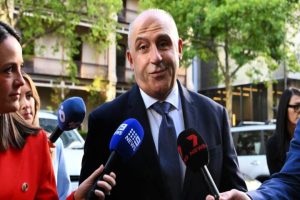
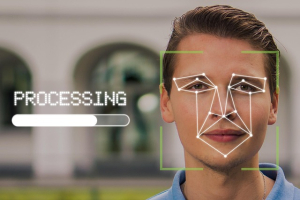
Julie Inman Grant, Australia's eSafety commissioner, has highlighted a growing global regulatory focus on Elon Musk's AI chatbot, Grok, particularly following a raid on the company's offices in France. The investigation centers on allegations of complicity in the distribution of child abuse images and the creation of sexualized deepfakes. Grant's comments indicate that the incident has marked a turning point in how countries are addressing the potential harms of AI technologies and the need for stricter regulations.
Universities and Antisemitism Report Card
The Albanese government is implementing a controversial report card system to assess Australian universities on their handling of protests and antisemitism, following the Bondi terror attack. Leaked documents reveal that universities will be graded on their responses to protests and the display of flags, with potential funding repercussions for those failing to adequately address antisemitism. This initiative has sparked debate about academic freedom and the balance between free speech and protecting minority rights.
Wrap-up
These stories reflect a mix of heroism, governmental challenges, and the evolving landscape of technology and social issues in Australia. Austin Appelbee's extraordinary rescue highlights the strength of the human spirit, while the debates surrounding defense property sales and AI regulations underscore the complexities facing the nation in a rapidly changing world.
Sources: theguardian.com
@hoju-korean.com Editorial Team























댓글목록0