













Gun Buyback Scheme Under Debate
Prime Minister Anthony Albanese is advocating for a national gun buyback scheme in response to the Bondi Beach terror attack. Despite support from some states, Queensland and the Northern Territory have expressed strong opposition to the plan. Albanese aims to finalize details in an upcoming national cabinet meeting, indicating the urgency of addressing public safety concerns linked to firearms. The proposed buyback is seen as a crucial step in preventing future tragedies.
Impact of Foreign Aid Cuts
Australian charities are grappling with the ramifications of significant cuts to foreign aid funding enacted by the Trump administration a year ago. Local organizations report that the loss of financial support has resulted in preventable deaths and hindered their ability to assist vulnerable populations worldwide. The ongoing effects of these cuts highlight the critical role of international aid and the need for renewed commitments to global humanitarian efforts.
Security Concerns Following Invasion Day Rally
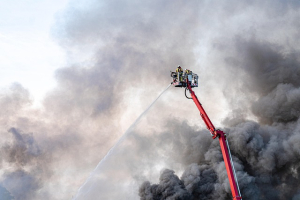
Minister for Multicultural Affairs Anne Aly expressed relief that no injuries occurred during an Invasion Day rally in Perth, where an improvised explosive device was thrown into the crowd. The incident raised alarms about public safety and the potential for mass casualties. Aly's comments underscore the importance of vigilance in maintaining security at public events, particularly in light of recent threats.
Economic Policy Discussions Intensify
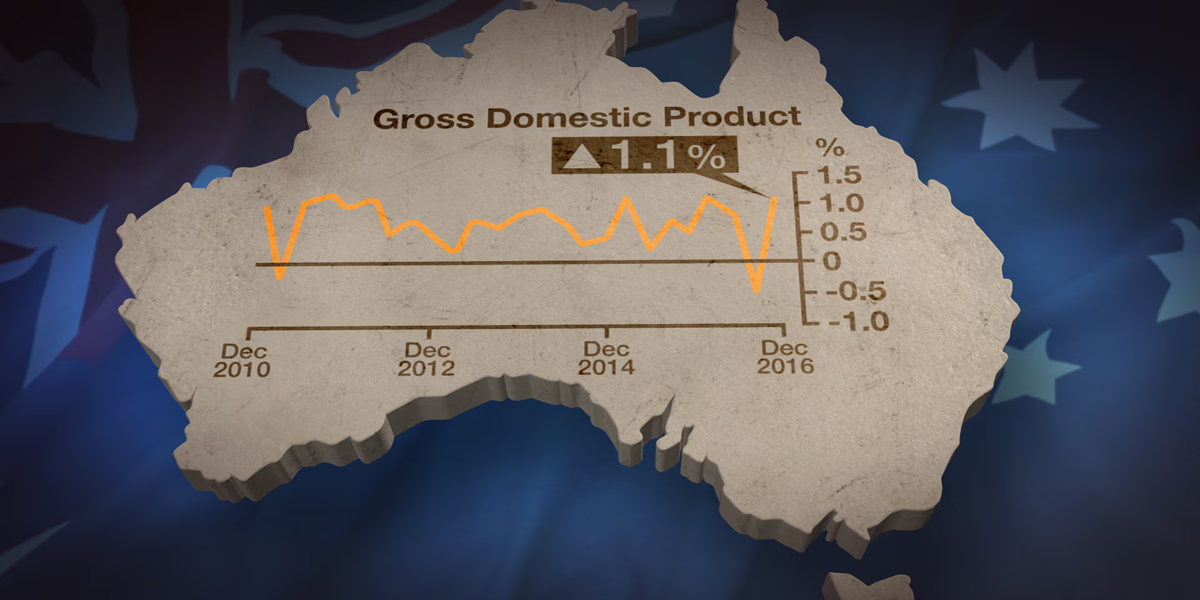
Amid rising inflation and economic uncertainty, discussions around interest rates and economic policy have intensified. Critics argue that there is an obsession with adjusting interest rates in response to monthly economic indicators. Analysts suggest that the Reserve Bank of Australia should consider a more measured approach, focusing on long-term stability rather than immediate reactions to inflation fluctuations.
Wrap-up
As Australia navigates these pressing issues, the intersection of public safety, economic policy, and humanitarian commitments remains a focal point for government leaders and citizens alike. The outcomes of the proposed gun buyback scheme and the ongoing impact of foreign aid cuts will likely shape the national discourse in the coming months.
Sources
theguardian.com
@hoju-korean.com Editorial Team























댓글목록0