











Bondi Terror Attack and Political Reactions
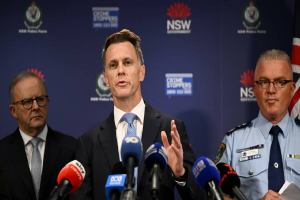
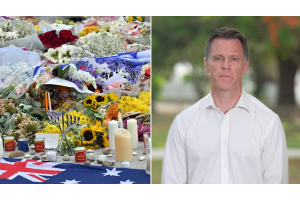
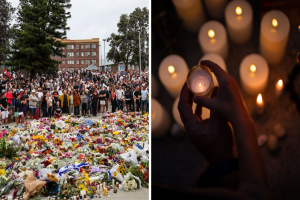
In the wake of the Bondi terror attack, Premier Chris Minns has faced criticism for his handling of the situation, particularly regarding his response to opposition leader Sussan Ley's comments about political insensitivity. Minns expressed regret over the "politicisation" of the tragedy, emphasizing that he had communicated with Ley following the incident. Ley, however, has defended her passionate remarks, asserting that the government's response lacked appropriate emotional depth. This exchange highlights the ongoing tension between political parties in the context of national security and public sentiment.
Proposed Ban on "Globalise the Intifada"
The NSW government's plan to ban the phrase "globalise the intifada" has ignited a heated debate about freedom of speech. Minns described the slogan as "hateful, violent rhetoric," while critics argue it represents legitimate support for Palestinians. The proposal comes as part of a broader push for anti-protest laws, which are being rushed through parliament amid concerns that they may infringe on civil liberties. Activist groups are preparing to challenge these laws in court, citing past instances where similar legislation has been deemed unconstitutional.
Randa Abdel-Fattah Cleared of Wrongdoing
Dr. Randa Abdel-Fattah, a prominent academic and advocate for Palestinian rights, has been cleared of any wrongdoing after a ten-month investigation into her research grant. The Australian Research Council confirmed that the suspension of an $870,000 grant was lifted following a review of potential conflicts of interest related to her comments on Israel. The investigation, which began in early 2023, was initiated amid scrutiny of her academic work, reflecting broader tensions surrounding discussions of Israel and Palestine in Australian academia.
Concerns Over Anti-Protest Legislation
The NSW parliament's expedited process for new anti-protest laws has raised alarms among civil rights advocates. Critics argue that the legislation is overly broad and could disproportionately limit free speech. Legal experts point to historical precedents where similar laws have been challenged and struck down by the courts. The current legislative climate reflects a growing trend of governments responding to public protests with stricter regulations, which may ultimately face significant legal hurdles.
Wrap-up
The intersection of national security, free speech, and academic freedom continues to be a contentious issue in New South Wales. As the Bondi terror attack remains a focal point of political debate, the proposed ban on specific phrases and the swift push for new protest laws underscore the complexities of navigating public sentiment and civil liberties. The clearing of Randa Abdel-Fattah from allegations of misconduct adds another layer to the ongoing discourse about academic integrity and political expression in Australia.
Sources
theguardian.com
@hoju-korean.com Editorial Team
















댓글목록0