













![[Summary News] Indigenous Deaths in Custody Rise, Social Media Ban Gains Global Attention, Future Fund Scrutiny, and Language Revival Efforts in Tasmania](https://www.northerndailyleader.com.au/images/transform/v1/crop/frm/silverstone-feed-data/4586eed8-57b7-4856-b76d-d54e9bccf53f.jpg/r0_0_800_600_w1200_h678_fmax.jpg)
Indigenous Deaths in Custody
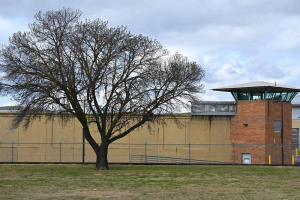
A recent report from the Australian Institute of Criminology reveals that Indigenous deaths in custody have reached their highest level since 1980, with 33 First Nations peoples among the 113 total deaths recorded in the 2024-2025 period. Natasha Ugle, the widow of Wayne, a Noongar man who died in a maximum-security prison, expressed her dismay, stating that “nothing has changed” for Aboriginal people. The report underscores ongoing concerns regarding the treatment of Indigenous Australians within the justice system, prompting calls for urgent reforms and better support systems for First Nations communities.
Australia's Social Media Ban
Australia's unprecedented legislation prohibiting children from accessing social media until they turn 16 has garnered international attention, eliciting mixed reactions. Media outlets such as the BBC and the New York Times have reported on the implications of this law, highlighting both its innovative approach and potential shortcomings. Critics question the effectiveness of the ban, while proponents argue it is a necessary step to protect young users from online harm. The global media coverage reflects a broader discussion on child safety and digital literacy in the age of social media.
Future Fund Expenditure Controversy
Raphael Arndt, CEO of the Future Fund, faced scrutiny during Senate estimates over a $20,000 expenditure for a hotel scoping trip undertaken by his former executive assistant in the United States. The trip aimed to assess hotel options and negotiate rates for Future Fund business. Arndt also disclosed his attendance at Disney's exclusive Club 33, where he learned about the company's cultural induction practices. The revelations have raised questions about spending priorities and accountability within the Future Fund, prompting demands for transparency in its financial decisions.
Reviving a Lost Tasmanian Language
Efforts to revive the lost Tasmanian language, palawa kani, are gaining momentum, with a particular focus on the historical recordings of Fanny Smith, a Palawa woman. Born in 1834, Smith was recorded singing and speaking in her native language in 1899 and 1903. These recordings, showcased at the Tasmanian Museum, serve as a vital resource for language revitalization initiatives. A local school is spearheading efforts to breathe new life into palawa kani, emphasizing the importance of cultural heritage and identity among Indigenous communities.
Wrap-up
These stories illustrate the complex social landscape in Australia, where issues of Indigenous rights, child protection, financial oversight, and cultural preservation intersect. The rise in Indigenous deaths in custody and the implementation of a social media ban highlight ongoing challenges in safeguarding vulnerable populations. Meanwhile, scrutiny of the Future Fund's expenditures raises questions about governance and accountability, while the revival of a Tasmanian language signifies a hopeful step towards cultural restoration.
Sources
theguardian.com
@hoju-korean.com Editorial Team
























댓글목록0