











Social Media Ban Details
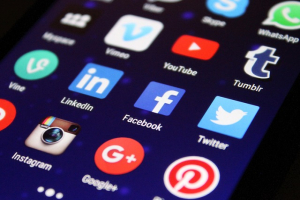
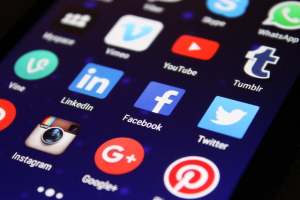
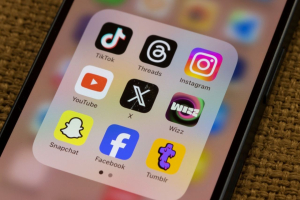
The eSafety commissioner identified ten major social media platforms required to comply with the new regulations, including Facebook, Instagram, TikTok, and Snapchat. Despite the ban's implementation, reports emerged that some platforms were still allowing accounts for users aged 14 and older. This inconsistency has raised questions about the effectiveness of the ban and the ability of authorities to enforce it. The eSafety commissioner acknowledged challenges in getting all companies to comply, indicating a mixed response from the tech industry.
Public Reaction and Political Implications
The ban resulted from extensive campaigning by parents and child advocates concerned about the impact of social media on youth mental health. While many parents support the initiative, some critics argue that it may not effectively address the root issues associated with social media use among children. Political commentators have pointed out that the ban could also serve as a distraction from other pressing political issues, including debates surrounding artificial intelligence and government transparency.
Debate Over Parliamentary Expenses
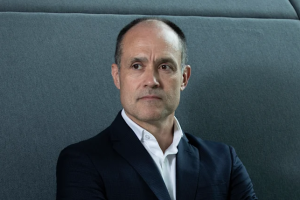
In a related political discourse, Communications Minister Anika Wells has come under scrutiny regarding her parliamentary expenses. Critics have scrutinized the allowances provided to parliamentarians, arguing that they should be more family-friendly to encourage greater female representation in politics. The backlash has intensified as media outlets and opposition members seek to highlight perceived discrepancies in the use of taxpayer funds.
Contrasting Policies on Technology
While the government is taking steps to restrict social media access for children, it is simultaneously promoting a National AI Plan aimed at fostering technological innovation. Critics have labeled this approach as contradictory, suggesting that the government is limiting children's online experiences while simultaneously courting tech companies. This duality has sparked a broader debate about the role of technology in society and the responsibilities of government in regulating it.
Wrap-up
Australia's social media ban for under-16s marks a significant shift in the nation's approach to child safety online. As the government navigates the complexities of compliance and public opinion, the implications of this policy will continue to unfold. The ongoing discussions about parliamentary expenses and the balance between regulation and innovation further complicate the landscape, reflecting the challenges faced by policymakers in addressing the needs of a rapidly evolving digital world.
Sources
theguardian.com
@hoju-korean.com Editorial Team















댓글목록0