













![[Summary News] Labor's Legislative Challenges, Community Responses to Violence, and Cultural Shifts in Sydney Dining](https://pixabay.com/get/gdb425144ecf8aa3d2d802a4c7839d085a748a0df3a2fb45e28669590876e80ee124643e87e8744ffc2f024604bb10fbb_640.jpg)
Labor's Legislative Challenges
As the Australian parliament nears its final sitting day of the year, Prime Minister Anthony Albanese has yet to secure a deal to reform the Environment Protection and Biodiversity Conservation (EPBC) Act. This failure would mark the second consecutive year that Labor has been unable to enact these promised reforms. Sources from political, industry, and environmental movements anticipate that the Greens may ultimately agree to a last-minute compromise, following new concessions offered by Labor. The urgency is palpable as stakeholders await developments that could shape the future of Australia's environmental legislation.
Community Responses to Violence
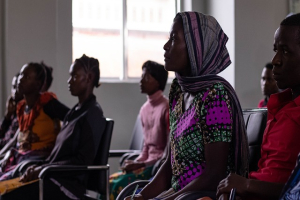
The death of Kardell Lomas, a 31-year-old First Nations woman, has prompted urgent calls for independent oversight of police practices in Queensland. Lomas had reached out for help from police prior to her tragic death, highlighting systemic failures in handling cases of violence against women. Members of the federal government's expert advisory panel on sexual violence have emphasized the need for immediate national oversight to prevent such tragedies from recurring. This incident has reignited discussions about the adequacy of police responses to domestic violence and the protection of vulnerable communities.
Cultural Shifts in Sydney Dining
The closure of the beloved Chinese Noodle House in Haymarket has sparked a surge of nostalgia and community support as patrons flock to bid farewell before its final day on December 12. The restaurant, known for its hand-pulled noodles, will be replaced by a new establishment with the same name, leading to speculation about competition among similarly branded diners in the area. This change reflects broader trends in Sydney's dining landscape, where traditional favorites are often reimagined or replaced amidst evolving consumer preferences.
Climate Change and Public Sentiment
Recent polling data reveals that just over half of Australian voters acknowledge climate change as a human-caused phenomenon, a sentiment that has remained consistent for over 15 years. However, concerns about artificial intelligence have emerged as a competing existential threat, overshadowing climate issues in public discourse. This divergence highlights the complexities of prioritizing climate action amid a rapidly changing technological landscape. As Australia grapples with interconnected crises, the public's demand for urgent climate action continues to clash with political inertia.
Wrap-up
As Australia navigates these pressing issues, from legislative failures to community safety and cultural transformations, the intertwining narratives of environment, violence prevention, and public sentiment reveal a nation at a crossroads. The outcomes of these developments will significantly shape the social and political landscape in the coming months.
Sources
theguardian.com
@hoju-korean.com Editorial Team
























댓글목록0