












![[Summary News] Australia Faces Climate Challenges, Protests, and Severe Weather Events](https://pixabay.com/get/g7a49fb0c48ad8964c8fb34fc8a278c9691137318923abf8b97a92ef0b9b1d4e29de8b53c7684d467b93f94103087639c_640.jpg)
Climate Summit Hosting Dispute
The ongoing dispute between Turkey and Australia regarding the hosting of the Cop31 climate summit has created uncertainty for the event's future. If the two countries cannot reach an agreement, the rights to host the summit may revert to a third nation. United Nations officials in Bonn, Germany, are expressing concern as they prepare for the potential logistical challenges of hosting the summit in a city with a population smaller than Canberra. The urgency of resolving this matter reflects the broader challenges facing international climate negotiations.
Coral Reef Devastation
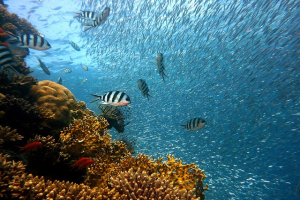
In Western Australia, scientists have reported that nearly two-thirds of the corals at the world heritage-listed Ningaloo Reef have died due to an unprecedented marine heatwave. This ecological disaster has led to a "profound ecological simplification" in the northern lagoon, where keystone coral species have been lost. Experts warn that the ongoing degradation of coral reefs could lead to irreversible changes in marine ecosystems, emphasizing the critical need for climate action to protect these vital habitats.
Job Cuts at CSIRO
Labor MP Ed Husic has called on the government to increase funding for the Commonwealth Scientific and Industrial Research Organisation (CSIRO) after it announced plans to cut up to 350 research jobs. The decision comes as the agency faces a budgetary shortfall and aims to narrow its research focus. Husic criticized the perception of scientific funding as a cost rather than an investment, urging his colleagues to prioritize support for Australia's national scientific agency to ensure its continued contribution to research and innovation.
Protests Against Defense Expo
In Sydney, twelve people were charged following protests against a state-sponsored defense conference that featured Israel's largest weapons companies. Hundreds gathered outside the Indo Pacific International Maritime Exposition in Darling Harbour, chanting slogans in support of Palestine. The Palestine Action Group had initially planned to blockade the expo, but police intervened with a heavy presence to prevent disruptions. The protests reflect growing public sentiment against the defense industry's ties to international conflicts.
Severe Weather in Queensland
Queensland is experiencing severe weather conditions, including large hailstorms that have caused damage in areas such as Esk. Authorities issued warnings for flash floods, destructive winds, and tornadoes across the state and northern New South Wales. Reports indicate hailstones measuring up to 8 centimeters in diameter, leading to thousands of residents losing power. The extreme weather follows a particularly wet period for the region, raising concerns about the impact of climate change on weather patterns.
Wrap-up
Australia is facing significant challenges on multiple fronts, from the environmental crisis affecting its coral reefs to political unrest surrounding defense policies and severe weather events. These issues underline the importance of addressing climate change, supporting scientific research, and understanding public sentiment in policymaking.
Sources: theguardian.com
@hoju-korean.com Editorial Team























댓글목록0