











Climate Policy Changes and Public Reaction
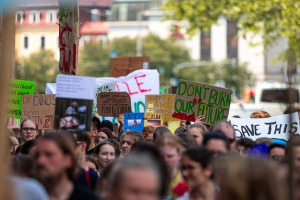
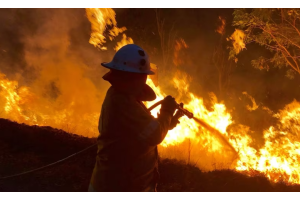
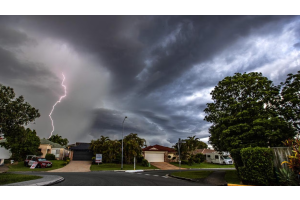
Teal MP Zali Steggall expressed concern over the Coalition's impending climate policy announcement, predicting it will align with the desires of the National Party. Steggall emphasized the need for urgent climate action, stating that the community will question the rationale behind the Coalition's decisions if they aim to regain lost seats. The discussion is set against a backdrop of extreme weather in New South Wales, where a total fire ban has been implemented in some regions due to ongoing storms and high fire danger in the west.
Public Safety Incident at Walcha
In a separate incident, 13 people were injured when a speedway car lost control and crashed into a grandstand during the Walcha Motorcycle Rally, approximately 90 kilometers from Tamworth. Emergency services responded swiftly to the scene on Saturday night, with two individuals reported in critical condition. The incident has raised concerns about safety measures at motorsport events and the need for stricter regulations to protect spectators.
E-Waste Management and Environmental Impact
As Australia grapples with climate policy, the issue of electronic waste (e-waste) is also coming to the forefront. Australians generate an average of 22 kilograms of e-waste per person each year, contributing to a national total of 580,000 tonnes. Experts are urging responsible recycling practices to mitigate the environmental impact of discarded electronics. The Global E-Waste Monitor reports that the world is on track to generate 82 million tonnes of e-waste annually by 2030, highlighting the urgency for sustainable disposal methods.
Economic Arguments Against Climate Action
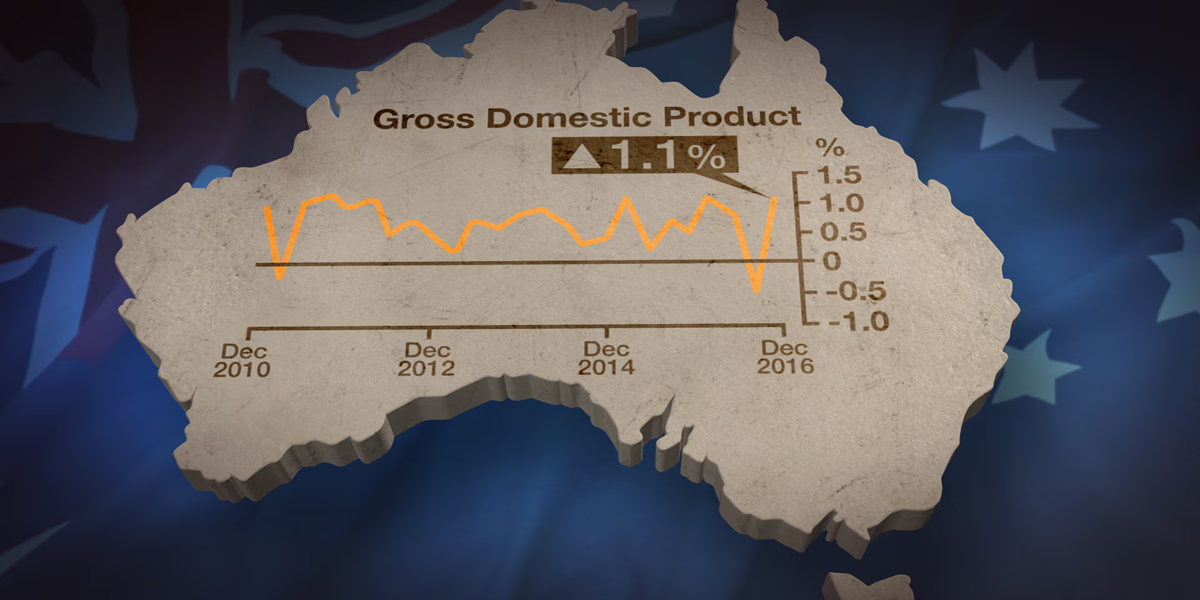
The Coalition government has faced criticism for its claims that climate action is economically detrimental. Leaders, including Nationals leader David Littleproud, have argued that the cost of achieving net zero emissions by 2050 could jeopardize essential services like Medicare. However, experts argue that the long-term costs of inaction on climate change could far exceed the investments required for a sustainable transition.
Wrap-up
As Australia navigates these pressing issues, the intersection of climate policy, public safety, and environmental responsibility remains a critical concern for citizens and leaders alike. The ongoing discussions and incidents highlight the need for a balanced approach that prioritizes both economic stability and environmental sustainability.
Sources
theguardian.com
@hoju-korean.com Editorial Team




















댓글목록0