











Transparency Concerns in Government
A report from the Centre for Public Integrity has accused the Albanese government of fostering a culture of secrecy, particularly in relation to its transparency measures. Independent ACT senator David Pocock has been vocal in parliament, criticizing the government for not releasing a key report on employment practices dubbed 'jobs for mates.' This has sparked discussions about whether the government is meeting its own standards for transparency and accountability.
Fast-Tracking of Mining and Energy Projects
New South Wales Premier Chris Minns has acknowledged that recent changes to planning laws, initially intended to expedite housing approvals, will also allow for the fast-tracking of mining and renewable energy projects. This move has drawn criticism from environmental groups, who argue that it compromises ecological protections. The Greens party has attempted to amend the legislation, but the government has accused them of obstructing necessary reforms.
Concerns Over Nature Laws
Former Treasury secretary Ken Henry has expressed skepticism regarding the effectiveness of the Albanese government's new nature laws. He warned that unless the environment minister tightens the 'national interest' exemptions, developers may exploit these loopholes for projects that could harm the environment. Henry's comments highlight the need for clearer regulations to ensure that environmental protections are not undermined.
Economic Uncertainty and Interest Rates
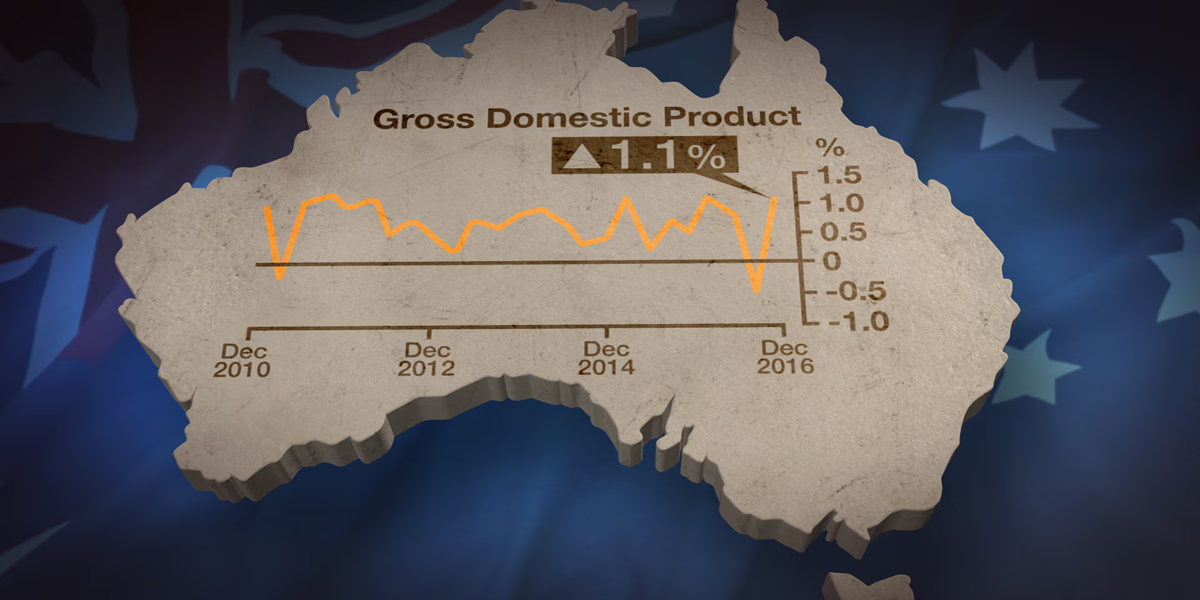
Recent economic data has raised concerns about Australia's inflation rate, prompting discussions about potential interest rate hikes. Economists are speculating that if inflation remains high in the December quarter, the Reserve Bank of Australia may consider increasing rates in February. This uncertainty follows a recent spike in unemployment, which had previously led to expectations of a rate cut.
Debate Over Climate Policies
A presentation by the Centre for Independent Studies to Coalition MPs has sparked controversy by downplaying the significance of heat-related deaths in the context of climate change. The think tank's assertion that "heat deaths aren't a thing" has been met with backlash, as it seeks to influence policy decisions regarding Australia's commitment to achieving net zero greenhouse gas emissions.
Wrap-up
The Albanese government is navigating a complex landscape of transparency issues, environmental policy challenges, and economic uncertainty. As public scrutiny intensifies, the government's ability to address these concerns will be crucial in shaping its future direction and public perception.
Sources
theguardian.com
@hoju-korean.com Editorial Team























댓글목록0