













Cultural Reflection on David Gulpilil
The documentary "Journey Home, David Gulpilil" chronicles the final journey of the renowned Yolŋu actor, who wished to be buried in his homeland of Gupulul in East Arnhem Land. The film, directed by Maggie Miles and Trisha Morton-Thomas, follows a 4,000km journey from Murray Bridge to Gupulul, emphasizing Gulpilil's lasting impact on Australian culture. Narrated by Hugh Jackman, the documentary serves as a tribute to Gulpilil's life and contributions, highlighting the importance of Indigenous stories in contemporary Australia.
Climate Change and Public Opinion
A recent Guardian Essential poll reveals that a majority of Australians support a net zero climate target, with Liberal voters advocating for more progressive policies within their party. The poll indicates that many Australians are unconvinced by current government strategies, including Prime Minister Anthony Albanese's Aukus agreement and critical minerals deal with the United States. This growing demand for progressive action reflects a shift in public sentiment regarding climate policy.
Coalition MPs and Climate Science
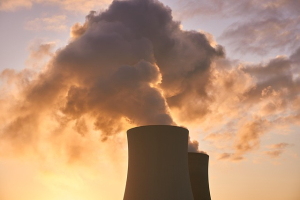
In a related development, Coalition MPs received a briefing from the conservative think-tank Centre for Independent Studies, which downplayed the urgency of climate change. The briefing included claims that "heat deaths aren't a thing" and questioned the viability of renewable energy sources. This skepticism among some MPs raises concerns about the future direction of Australia's climate policy and the potential abandonment of net zero commitments.
Economic Pressures and Bailouts
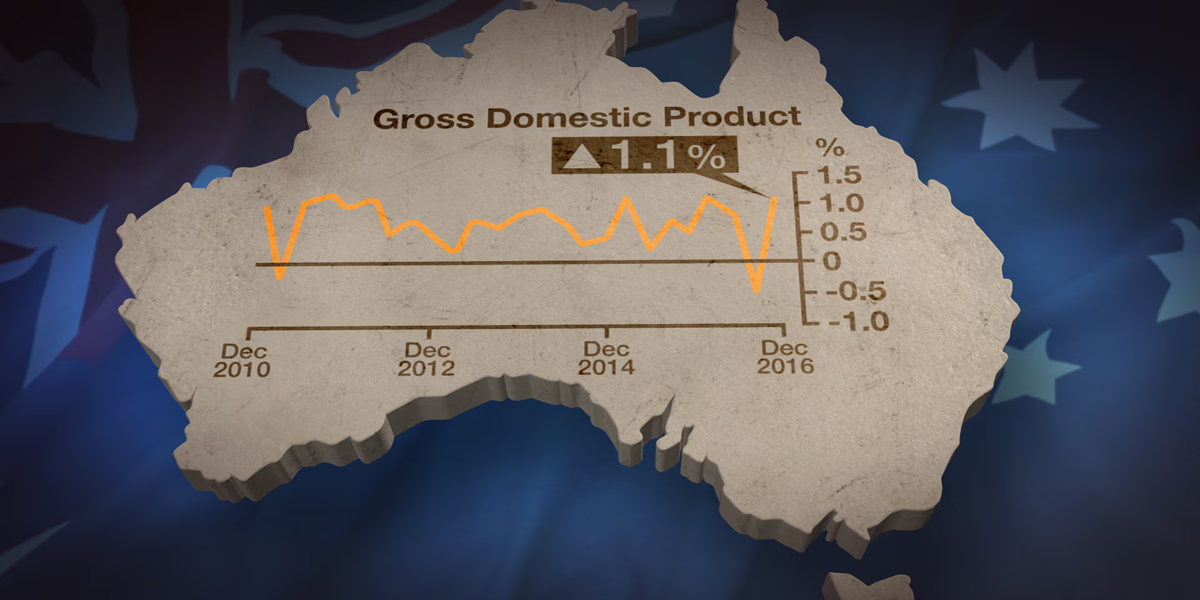
Australia's economic landscape is increasingly strained, with more than $3 billion in taxpayer money allocated to support the country's metal smelting and steel industries. As the government grapples with the financial implications of these bailouts, questions arise about the sustainability of such measures and the long-term impact on the economy. Observers are beginning to refer to 2025 as the potential "year of the bailout," highlighting the urgent need for a more coherent economic strategy.
Marine Ecosystems in Crisis
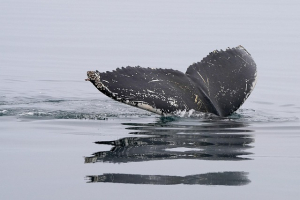
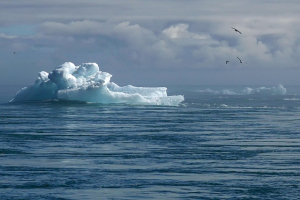
Research indicates that Australian oceans are facing unprecedented challenges due to global heating. By 2040, marine ecosystems are expected to experience extreme heat, oxygen depletion, and increased acidity, even under scenarios of significant emissions reductions. This alarming forecast underscores the urgency of addressing climate change and its far-reaching effects on biodiversity and marine life.
Wrap-up
Australia stands at a crossroads as it confronts pressing climate issues, reflects on its cultural heritage, and navigates economic challenges. The legacy of figures like David Gulpilil serves as a reminder of the importance of Indigenous voices in shaping the nation's future. As public opinion shifts towards more progressive climate policies, the government must balance economic support for industries with the urgent need for sustainable practices.
Sources
theguardian.com
@hoju-korean.com Editorial Team






















댓글목록0