














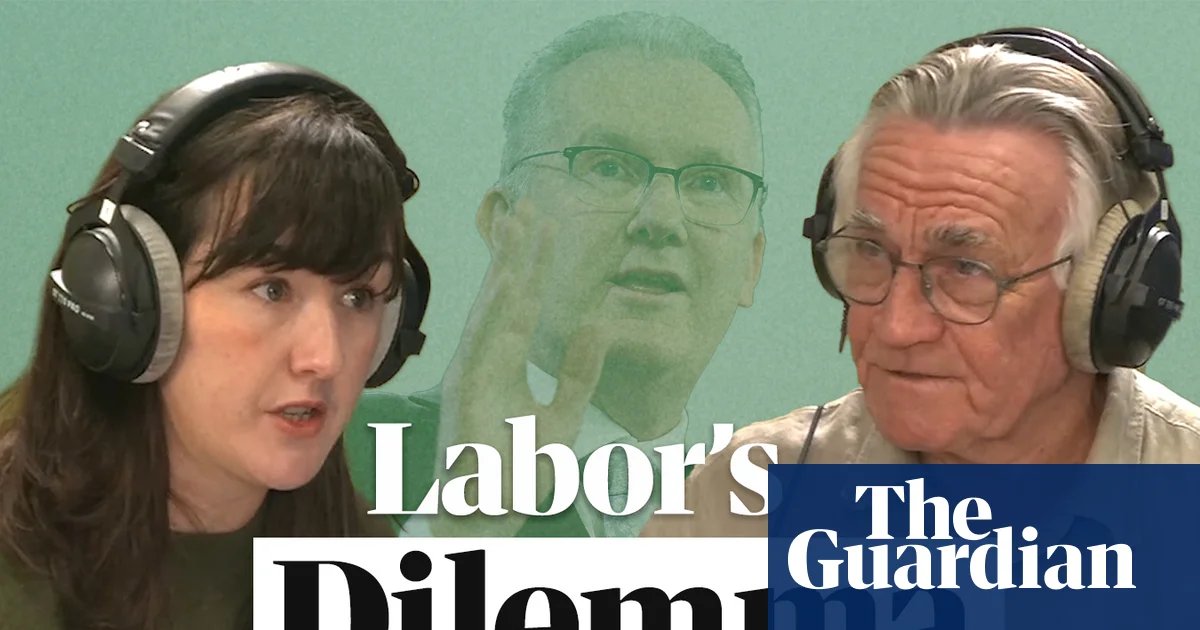
Australia claims it is a global pioneer in preventing online harm – should other countries follow suit?
Anthony Albanese is set to travel to the United States for discussions focused on social media reform. This visit comes as he seeks to position Australia as a leader in global efforts to combat online harm. The Prime Minister's initiative is notable given the challenges smaller nations often face in asserting influence on the world stage. Albanese aims to collaborate with other nations at the United Nations General Assembly, which begins on Monday. He is expected to advocate for stronger regulations on social media platforms to enhance user safety. His leadership in this area is seen as a proactive step amid growing concerns over online abuse and misinformation. The discussions will likely focus on establishing international standards for online safety. Albanese's approach reflects a broader commitment to digital governance and accountability. As he engages with other world leaders, the outcomes of these talks could shape future policies on internet safety. The Prime Minister's focus on this issue underscores the importance of international cooperation in addressing digital challenges.
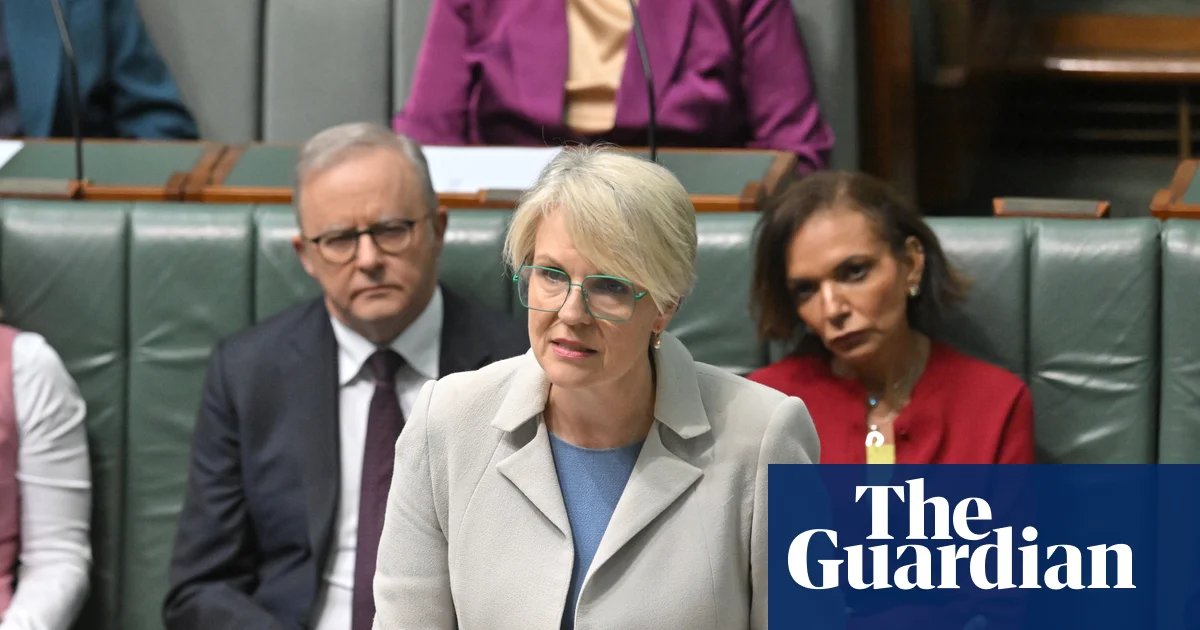
Australia’s renewables transition is well under way – but meeting its 2030 target will be ‘extremely challenging’
Australia's transition to renewable energy is progressing, but significant challenges remain in meeting the government's target of 82% renewable energy by 2030. The Albanese government is addressing the complexities involved in shifting from a coal and gas-based system to one reliant on solar and wind energy. Recently, the Victorian government announced a review of the Western Renewables Link, a critical transmission line scheduled for completion in 2029. This decision follows the scrapping of one of the state's renewable energy zones, raising concerns about the state's commitment to renewable projects. Additionally, if there is a change in government following the upcoming state elections in November, the Coalition may further alter renewable energy initiatives. The gap between the government's ambitious goals and the current progress highlights the urgent need for effective planning and execution. The energy sector is experiencing almost weekly challenges as stakeholders navigate regulatory and technological hurdles. These developments indicate that while Australia is on the path to renewables, the journey will require concerted efforts and strategic adjustments.
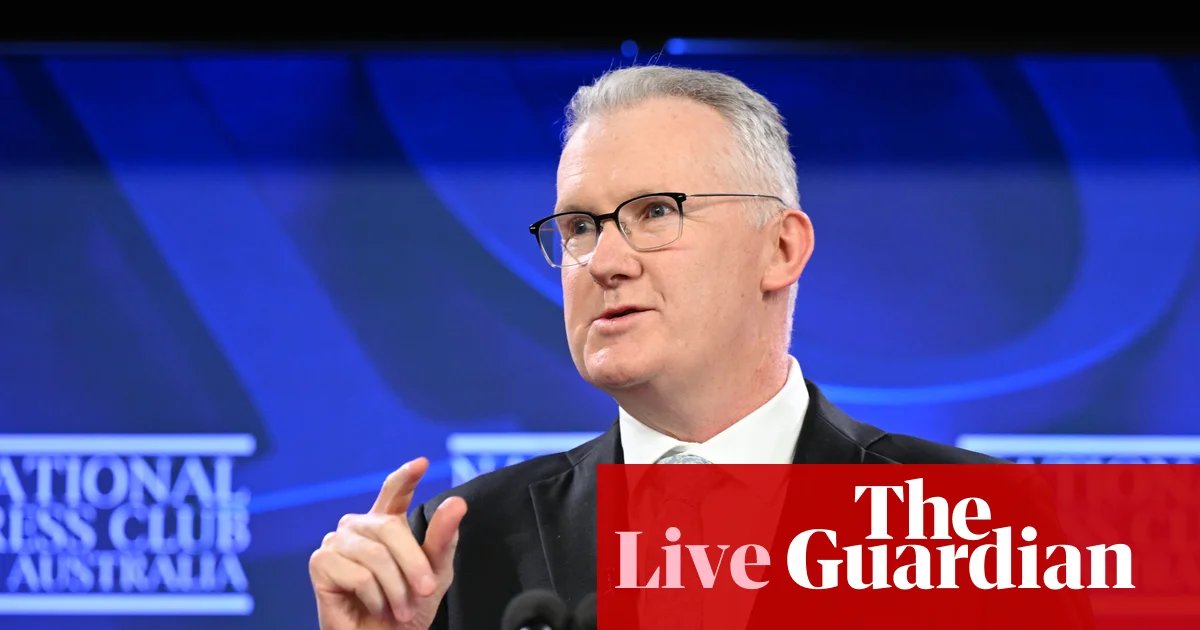
The fight over immigration could decide the next election. Labor has to take the gloves off | Tom McIlroy
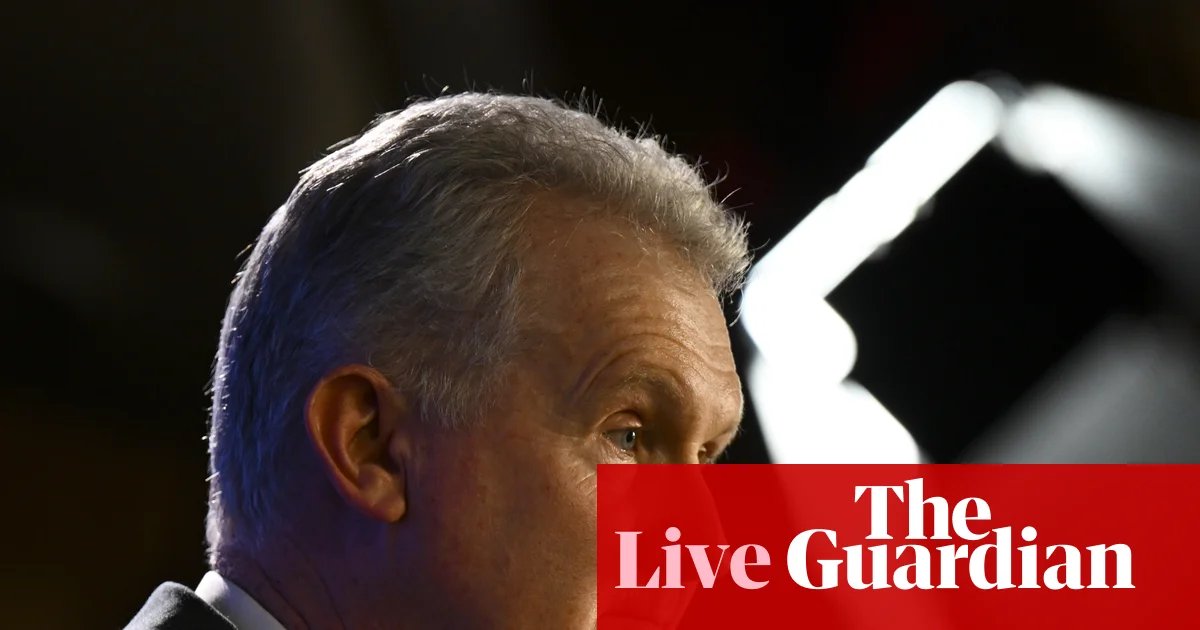
The Albanese government faces critical decisions regarding immigration policy as it approaches the next election. Immigration Minister Tony Burke recently addressed the National Press Club, outlining changes intended to reduce net overseas migration without harming the economy. His announcement, delayed due to internal party dynamics, emphasized the government's commitment to addressing public concerns about immigration levels. Burke's speech lacked the expected rhetoric and focused primarily on the practical implications of the proposed changes. The government's strategy may need to adopt a more aggressive stance to counter the rising popularity of One Nation's immigration proposals. As the political landscape shifts, Labor must navigate the complexities of public sentiment towards immigration while maintaining economic stability. The upcoming election could hinge on how effectively the government addresses these immigration issues. The Labor Party's approach will be closely scrutinized as it seeks to balance competing interests within the party and the electorate.
Australia’s big polluters rely on carbon offsets for climate credibility. But the system looks like a house of cards
Australia's reliance on carbon offsets to meet climate goals has come under scrutiny, raising questions about the credibility of its emissions reduction efforts. The recent internal conflict within the Greens over koala protection has highlighted broader concerns regarding the country's approach to carbon offsets. Critics argue that the heavy dependence on these offsets makes Australia's climate strategy vulnerable. Carbon offsets, known as Australian Carbon Credit Units, represent one tonne of greenhouse gas emissions that are avoided. They are primarily generated from government-approved projects aimed at forest regeneration and methane capture. However, environmental advocates warn that offsets cannot replace direct emissions reductions. The complexity of the offset system has led to calls for more robust regulations and transparency. The current reliance on offsets may undermine genuine progress in combating climate change. As the debate continues, stakeholders are urged to reconsider the effectiveness of this approach in achieving long-term sustainability goals.
Back to Back Barries: Andrew Hastie v Pauline Hanson – video
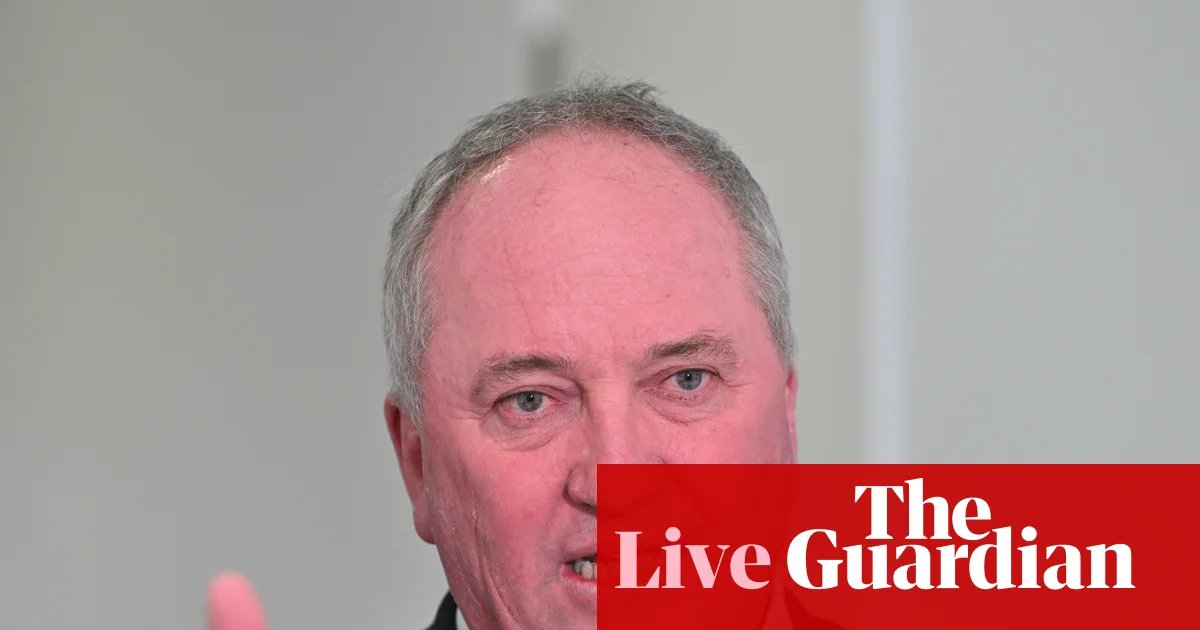
In a recent political exchange, Liberal frontbencher Andrew Hastie confronted One Nation leader Pauline Hanson over an animated cartoon that sparked controversy. This incident has positioned Hastie as one of the few politicians willing to challenge Hanson publicly. The ongoing tensions between the Liberal Party and One Nation have intensified, with analysts questioning whether this could signify a shift in the Liberal Party's approach to political opposition. The media coverage surrounding this confrontation, particularly regarding Warren Pickering's press conference, reflects differing public and media treatment of political leaders. Concerns about censorship have emerged, with calls from ABC and the Guardian for One Nation to reverse its media ban. Amidst this backdrop, Hastie accepted an apology from Barnaby Joyce regarding the 'traitor' cartoon, while Hanson urged her critics to 'chill.' The dynamics of this political battle may influence public perception and party strategies leading up to future elections. The ongoing discourse highlights the complexities of political communication in Australia today.
Photo provided by : The Guardian
@hoju-korean.com Newsroom







![[Summary News] Australian Man Pleads Not Guilty to Murdering…](https://hoju-korean.com/data/aus_news/20260918_210120_3b4e924e.jpg)





![[Summary News] Australia Announces New Migration Plan, Outba…](https://hoju-korean.com/data/aus_news/20260917_210102_c01ade17.jpg)






댓글목록1
강태공님의 댓글