











Giant Stick Insect Rediscovered
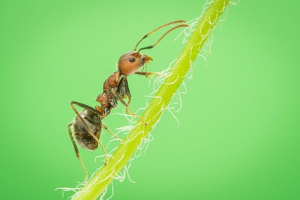
The Lord Howe Island stick insect, also known as Dryococelus australis or the tree lobster, has made a surprising comeback after being driven to near extinction by invasive species. Once abundant on Lord Howe Island, the stick insect population was decimated by black rats introduced in 1918. The species, which had become a rare sight, is now being carefully monitored and protected, illustrating the delicate balance of island ecosystems and the impact of human activity on native species.
North Sydney Pool Reopens After Long Renovation
After five years and an expenditure of $122 million, the North Sydney Olympic swimming pool has reopened, much to the delight of long-time patrons. The iconic art deco facility, which has seen generations of swimmers, finally welcomed visitors back on a sunny Friday. The extensive renovations have revitalized the space, allowing the community to once again enjoy its historical significance and recreational opportunities. Some patrons, however, expressed sadness that they were unable to witness the reopening due to their passing during the lengthy closure.
Vespa Journey from Sydney to Turkey
Mario Gabrieli and his son Leonardo have embarked on an extraordinary adventure, traveling from Sydney to Turkey on a vintage Vespa. Their project, titled "I Due Caschi," which translates to "The Two Helmets," began in early January. After seven months of travel, they have reached Amasya in Turkey, covering nearly 40,000 kilometers. Gabrieli aims to expose his son to diverse cultures and landscapes along their route, which includes plans to traverse Cappadocia and Antalya before reaching their final destination in Italy.
Humpback Whale Birth Documented
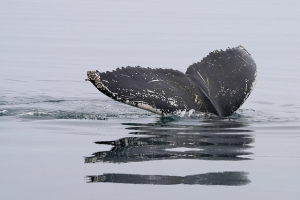
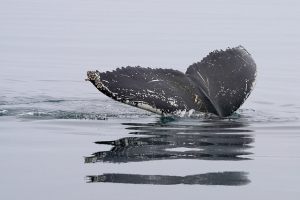
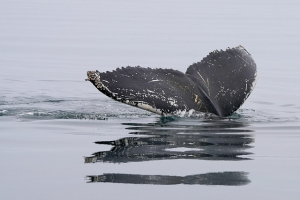
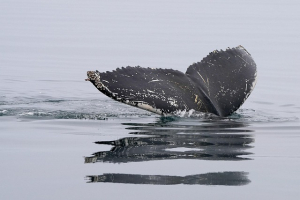
In a rare occurrence, a drone pilot captured the birth of a humpback whale off the New South Wales coast, marking only the fourth complete whale birth documented on film globally. The footage, obtained during aerial observations for the Organisation for the Rescue and Research of Cetaceans in Australia, shows the newborn calf taking its first breath and bonding with its mother. This event not only highlights the incredible behavior of marine life but also emphasizes the importance of conservation efforts for these majestic creatures.
Wrap-up
These stories reflect the rich tapestry of Australian life, from the revival of a unique species to the cultural significance of community spaces and the wonders of nature. As Australia continues to navigate its environmental and cultural heritage, these events remind us of the importance of preservation and celebration of both natural and communal landmarks.
Sources
theguardian.com
@hoju-korean.com Editorial Team

















댓글목록0