













Record Heat in Sydney
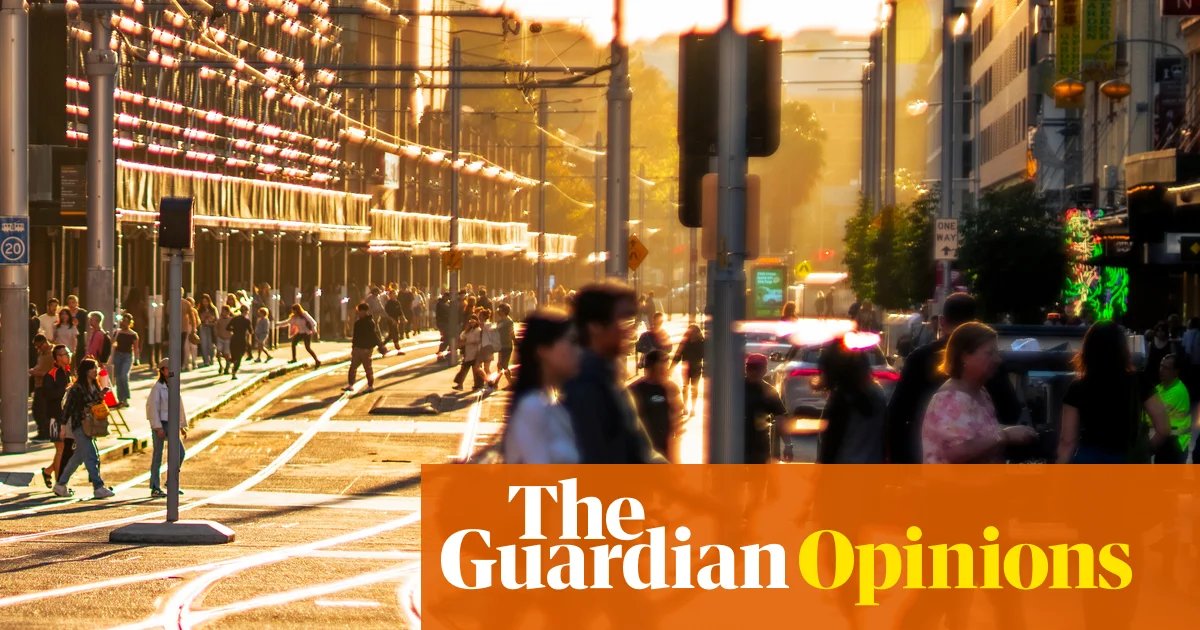
The Bureau of Meteorology confirmed that June 2026 was the hottest on record for Sydney, marking a significant deviation from typical winter temperatures. This rise in temperature has sparked concerns among climate experts, who attribute the phenomenon to global warming. The record-breaking heat has raised questions about the implications for future weather patterns and the broader impact of climate change in Australia.
NSW Labor Faces Political Challenges
During the NSW Labor conference, Premier Chris Minns acknowledged the party's struggle to maintain power amid rising threats from the One Nation party. He described the challenge as akin to "climbing Everest." The conference was disrupted by protests related to the ongoing conflict in Gaza, reflecting the growing tensions around social issues. Minns' address received a standing ovation, but the protests highlighted the difficulties the party faces in uniting its supporters amidst external pressures.
Socceroos' World Cup Drought Continues
The Socceroos' recent exit from the World Cup following a penalty shootout loss to Egypt has left fans and analysts questioning the team's strategy and future. Sports commentators have scrutinized coach Tony Popovic's decisions, particularly the late goalkeeper switch that may have impacted the outcome. As the team looks ahead to future competitions, the focus remains on how they can overcome their historical struggles in knockout matches.
Concerns Over Police Use of 'Less Lethal' Weapons
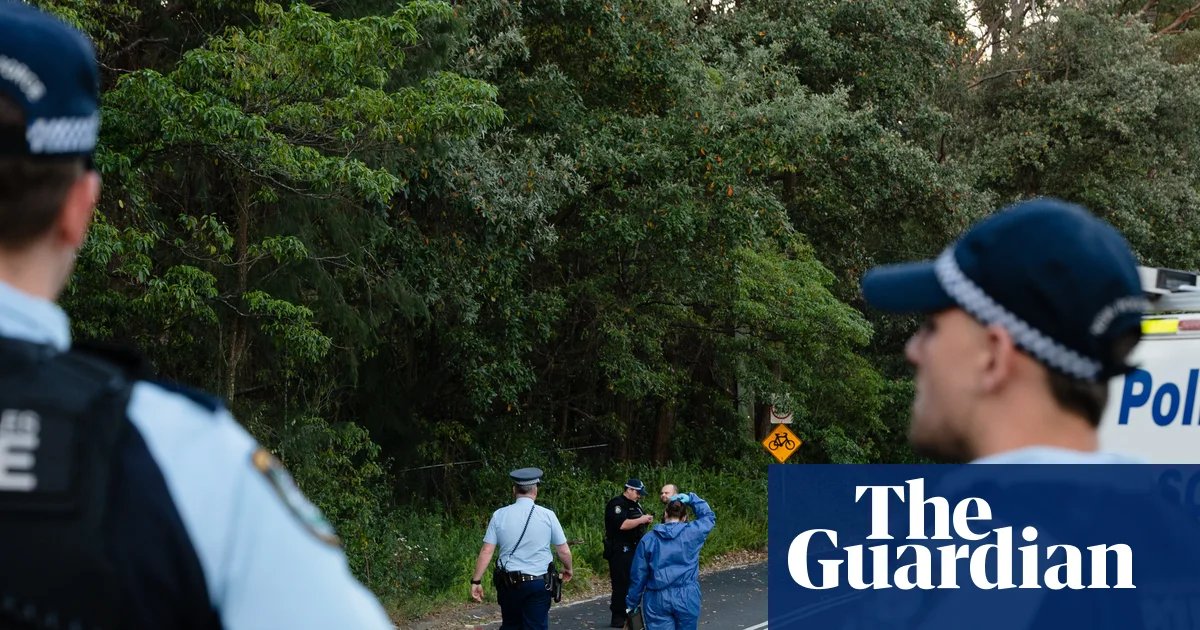
An investigation has revealed that Australian police are increasingly using 'less lethal' weapons, such as tasers and tear gas, against protesters. These weapons, although labeled as 'less lethal,' can still cause serious harm or even fatalities if misused. The findings raise concerns about the lack of transparency regarding police tactics and the potential for abuse during civil demonstrations. The investigation aimed to shed light on the types of weapons in use and the circumstances under which they are deployed.
Wrap-up
As Sydney experiences unprecedented heat and the NSW Labor party navigates significant political challenges, the Socceroos' ongoing quest for World Cup success adds to the narrative of a nation grappling with both environmental and social issues. The scrutiny of police practices further complicates the landscape, highlighting the need for accountability and reform.
Sources
theguardian.com
@hoju-korean.com Editorial Team



















댓글목록0