













Political Privacy Breaches
Two employees of Ernst & Young (EY) have been dismissed after allegedly accessing the private bank account details of Prime Minister Anthony Albanese while on secondment at the Commonwealth Bank. Albanese condemned this breach, stating that it is alarming for anyone, especially a contractor, to access such sensitive information. He emphasized the government's commitment to holding accounting firms accountable for unacceptable behavior, particularly in light of recent scandals involving KPMG. The matter is currently before the courts, and Albanese expressed the need for ongoing examination of privacy issues in the financial sector.
Police Use of 'Less Lethal' Weapons
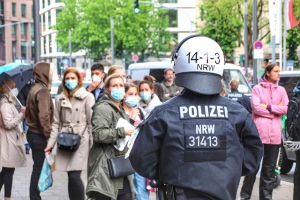
Investigations have revealed that Australian police are increasingly deploying 'less lethal' weapons, such as tasers and tear gas, during protests with minimal oversight. These weapons, while labeled as 'less lethal', can still inflict serious injuries or fatalities if misused. The Guardian Australia's investigations team has compiled extensive data from protest footage, court records, and expert interviews to shed light on the types of weapons used by law enforcement. The findings raise concerns about the transparency and accountability of police practices during public demonstrations.
Multiculturalism Debate Intensifies
During a heated session in the House of Representatives, Treasurer Jim Chalmers criticized Opposition Leader Angus Taylor for failing to support Australia's multicultural society. Chalmers accused Taylor of echoing sentiments from One Nation leader Pauline Hanson, who recently suggested that Australia should adopt a monocultural stance. Chalmers defended the contributions of multiculturalism to Australian values, while Prime Minister Albanese asserted that Taylor's views reflect a longing for a non-existent past in the country. This exchange underscores the growing tensions surrounding national identity and inclusivity in Australian politics.
Wrap-up
The intersection of privacy, policing, and multiculturalism is igniting debates across Australia. As the government navigates these controversies, public trust and safety remain paramount. The outcomes of these discussions will likely shape the political landscape and influence societal attitudes towards governance and law enforcement.
Sources
theguardian.com
@hoju-korean.com Editorial Team
























댓글목록0