











Police Assault Allegations
Jones, who suffered two broken ribs during the incident, described the police actions as "absolutely mad." The viral video depicts him being punched multiple times by officers while he was not resisting arrest. Following the incident, Jones expressed his intention to seek legal recourse, highlighting concerns about the treatment of protesters in Australia.
Parliamentary Hearing Controversies
In a related development, witnesses have begun to refuse to appear before New South Wales parliamentary inquiries following a recent court ruling that invalidated provisions allowing for arrest warrants. This decision has been criticized for undermining public interest investigations. Chris Minns' chief of staff initiated legal action to avoid giving evidence, prompting others to follow suit. The situation raises questions about accountability and transparency in governmental proceedings.
Fuel Crisis and Infrastructure Debate
As fuel prices soar amid geopolitical tensions in the Middle East, particularly concerning Iran, conservative politicians in Australia are pushing for increased domestic oil production and refinery construction. Critics argue that expanding oil infrastructure is not a sustainable solution and that the focus should shift towards electric vehicles. Experts warn that relying on fossil fuels ignores economic realities and environmental concerns.
Tobacco Trade Warnings
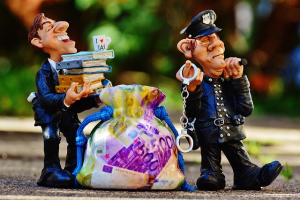
In a secret Senate hearing, Philip Morris raised alarms about the rising trade in illegal tobacco, suggesting it could threaten the legal tobacco market by 2030. The company argued for lower excise taxes, claiming that organized crime poses a threat to its executives. This closed-door session has faced backlash from health advocates and political opponents, who argue that it undermines public health efforts and transparency in government inquiries.
Wrap-up
These incidents highlight ongoing tensions in Australian society regarding police conduct, the fuel crisis, and the illegal tobacco trade. As public scrutiny intensifies, the responses from government officials and corporations will be critical in shaping future policies and public trust.
Sources
theguardian.com
@hoju-korean.com Editorial Team













댓글목록0