











![[Summary News] Environmental Concerns Rise in Australia Amid Political and Economic Turmoil](https://pixabay.com/get/g6332d7ebae34c7d995c723a42d9fff0fbb19afffafdf6bc3c3548c8a8df6321488465f0ea30de46444136809de11da93a8e2c0a52dbedbd6aecc13434d21f770_640.jpg)
Environmental Crisis in Gwydir Wetlands
Scientists from the University of New England are working tirelessly to rescue broad-shelled turtles trapped in dried-up wetlands in the Gwydir region. Over 300 turtles have been left stranded in muddy conditions after the New South Wales state water agency ceased environmental flows following complaints from a landowner about water overflow. Conservation biologist Professor Debbie Bower described the situation as a disaster, emphasizing that environmental water is available in a nearby dam that could save the turtles. Calls for the release of this water have been ignored, raising concerns about the agency's priorities in managing water resources.
Political Response to Antisemitism
The interim report from the royal commission into antisemitism has sparked discussions about public safety and policing during community events. The report does not recommend urgent restrictions on protests or marches, which has raised questions about police resource allocation during significant events like the Chanukah by the Sea celebration. Critics are questioning whether the police presence was adequate, especially given the simultaneous celebrations occurring in other parts of Sydney. The report's lack of definitive recommendations has left many stakeholders seeking clarity on how to improve safety measures for future gatherings.
Debate Over Gas Taxation
In Canberra, former Treasury secretary Ken Henry has advocated for a new gas tax during a parliamentary inquiry, urging lawmakers to take decisive action. He criticized the current taxation system, suggesting that the public could benefit more from a restructured approach to taxing gas companies. Henry's comments come amid growing concerns about the revenue generated from Australian gas exports, with reports indicating that the Japanese government is receiving more tax revenue from Australian gas than the Australian government itself. This has prompted a Senate inquiry led by the Greens, which will hear from various stakeholders, including gas companies and environmentalists.
International Relations and Defence Spending
In international news, US President Donald Trump has publicly criticized Australia for not providing sufficient support in the Middle East conflict. During a press conference, Trump expressed dissatisfaction with Australia's defence contributions, specifically mentioning a lack of involvement in the Strait of Hormuz. Australian Defence Minister Richard Marles responded by clarifying that there has been no specific request for assistance from the US regarding this issue. The exchange highlights ongoing tensions in Australia-US relations, particularly concerning military cooperation.
Impact of Global Events on Renewable Energy
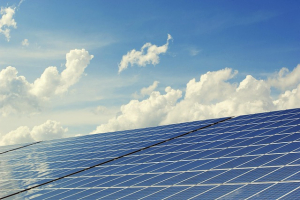
The ongoing conflict in the Middle East, particularly the war between the US and Israel against Iran, has inadvertently shifted focus toward renewable energy in Australia. Analysts are exploring whether this crisis could accelerate the transition to green energy solutions, as the instability in fossil fuel markets raises questions about long-term energy strategies. Discussions among experts are centered on how the current geopolitical landscape may influence Australia's commitment to renewable energy initiatives.
Wrap-up
Australia is navigating a challenging period marked by environmental crises, political debates, and international relations tensions. The plight of wildlife in the Gwydir wetlands underscores the urgent need for effective water management policies, while discussions around gas taxation and international military commitments reveal deeper issues within the country's political framework. As these matters unfold, the nation's response will be critical in shaping its future environmental and political landscape.
Sources: theguardian.com
@hoju-korean.com Editorial Team

















댓글목록0