













![[Summary News] Economic Concerns Rise Amid Iran Conflict and Cyclone Narelle's Impact in Queensland](https://pixabay.com/get/g02b172d8fb57d708fa7eba31725810461e283205c30d3da7189b7544bec38987408c95a565767bf13dc7ac93c94e1055dbb857c9f720d33ebc8416d1d4a4e959_640.jpg)
Economic Fallout from Iran Conflict
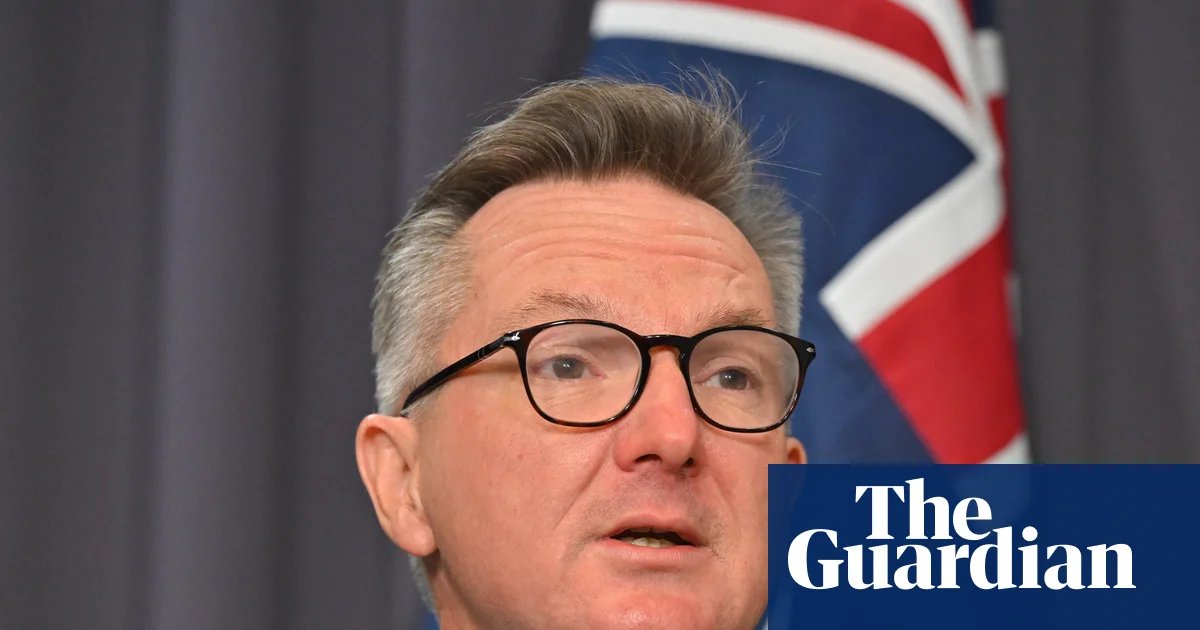
Experts are raising alarms about the economic repercussions of the escalating conflict in Iran, particularly in relation to rising fuel prices. Barrie Cassidy and Tony Barry discussed the potential blame directed at the Albanese government for the economic fallout linked to the conflict, which has roots in former President Trump's policies. The Reserve Bank of Australia (RBA) has responded to the situation by raising the cash rate, a move that Treasurer Jim Chalmers suggests may be a precursor to an impending recession. The public's perception of the government's economic management is becoming increasingly critical as fuel prices soar.
Liberal MP Andrew Hastie's Criticism
Liberal MP Andrew Hastie has publicly criticized the U.S. administration's approach to the Iran conflict, suggesting that the Australian government should take a more independent stance. His comments reflect a growing discontent among some politicians regarding the alignment with U.S. foreign policy, particularly as it pertains to economic implications for Australia. The interplay between international relations and domestic economic stability is a focal point of current political discourse.
Impact of Tropical Cyclone Narelle
In a separate but equally pressing concern, Tropical Cyclone Narelle made landfall in far north Queensland, bringing with it winds of up to 250 km/h. Aerial footage released by police shows extensive flooding in the Douglas and Daintree areas. Climate experts have attributed the cyclone's intensity to global heating and elevated ocean temperatures, which have contributed to the storm's rapid escalation. The damage includes uprooted trees and destroyed roofs, raising concerns about the immediate and long-term recovery efforts in the affected regions.
Government Response to Natural Disasters
The Australian government is facing pressure to respond effectively to the aftermath of Cyclone Narelle, with calls for swift action to assist those impacted by the flooding. The dual crises of economic instability due to international conflicts and natural disasters are testing the government's crisis management capabilities. The public is closely observing how the government balances these challenges while maintaining economic stability and ensuring the safety of its citizens.
Wrap-up
As Australia navigates the complexities of geopolitical tensions and natural disasters, the government's response will be critical in shaping public perception and economic outcomes. The potential for a recession linked to international conflicts, coupled with the immediate effects of Cyclone Narelle, underscores the challenges facing the nation. Stakeholders are calling for transparency and decisive action to mitigate the impacts of these crises.
Sources
theguardian.com
@hoju-korean.com Editorial Team





















댓글목록0