













Political Push for Larger Families
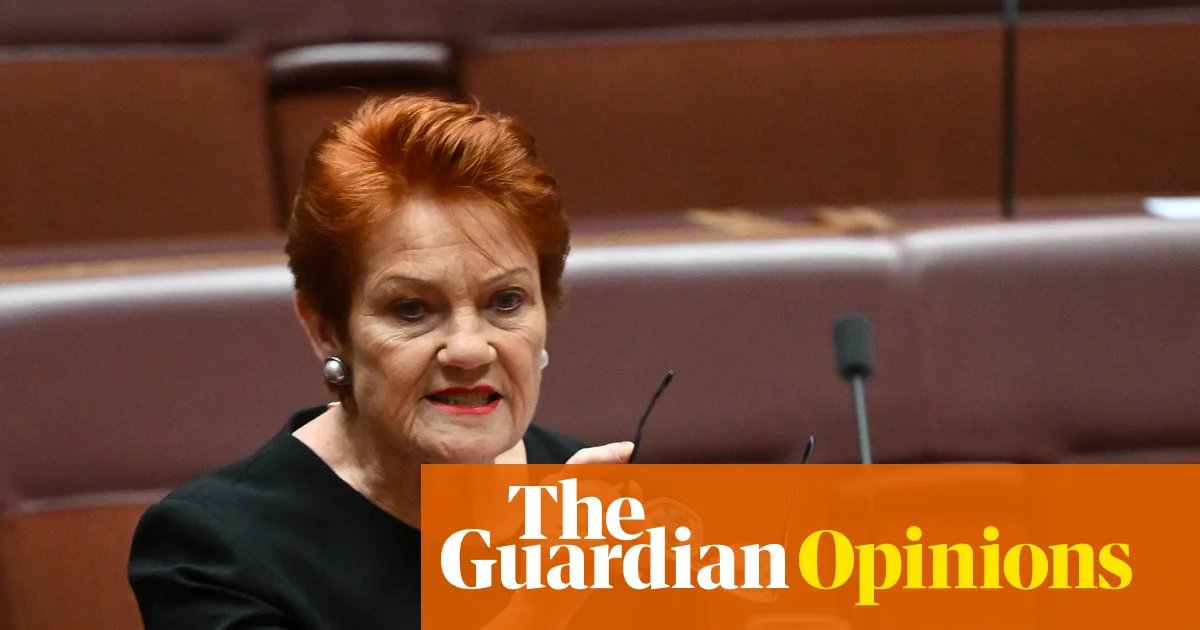
The National Party, under the leadership of Matt Canavan, is advocating for a future where Australian families are larger and maternity wards are bustling. Canavan, a father of five, expressed his vision for a "hyper" Australia where parents have the resources and incentives to raise more children. This initiative comes as a response to the declining fertility rate, which has become a pressing concern for many countries worldwide. Canavan's commitment to traditional family values and increasing the birth rate aligns with similar movements in other nations, where conservative parties are promoting family growth as a solution to demographic challenges.
Healthcare Crisis in Albury
The Albury hospital, which serves approximately 300,000 residents in the Albury-Wodonga region, is currently undergoing a controversial $558 million redevelopment. The project has been marred by escalating unrest among staff, raising concerns about the quality of care and the hospital's future capabilities. With the hospital in critical condition, local leaders are urging the major political parties to address healthcare issues that could impact the upcoming byelection in Farrer. The situation at Albury hospital highlights the urgent need for effective healthcare solutions amid the backdrop of declining birth rates.
Economic Implications of the Fuel Crisis
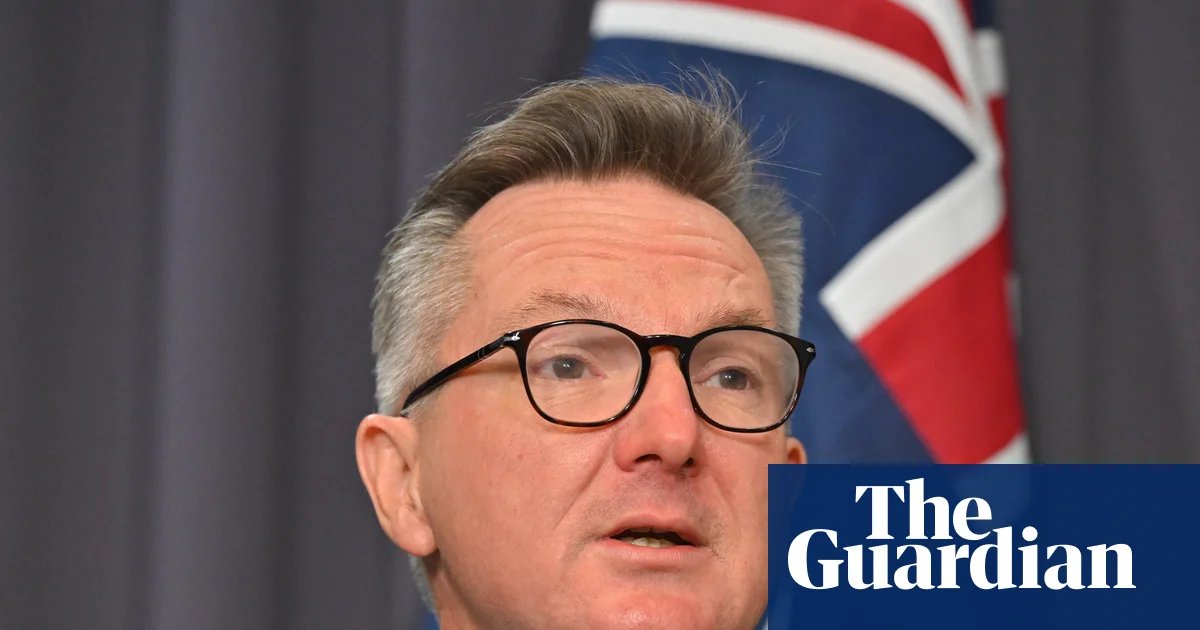
As Australia navigates these demographic and healthcare challenges, the ongoing fuel crisis poses additional risks to the political landscape, particularly for the Labor government led by Prime Minister Anthony Albanese. Analysts are warning that rising fuel prices could exacerbate economic pressures and influence voter sentiment in upcoming elections. The discussions among political commentators, including Barrie Cassidy and Tony Barry, suggest that the fuel crisis may undermine Labor's position if not addressed effectively. The potential for economic downturns linked to fuel prices could shift public opinion and complicate the government's agenda.
Wrap-up
Australia's declining fertility rate, healthcare crises, and economic challenges create a complex political environment. The National Party's push for larger families may resonate with some voters, but critical issues like healthcare and the fuel crisis will require immediate attention from all political parties. As the country moves forward, the interplay between these factors will likely shape the future political landscape and policy decisions.
Sources
theguardian.com
@hoju-korean.com Editorial Team
























댓글목록0