













Government Response to Fuel Crisis
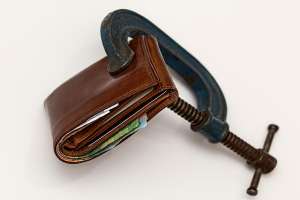
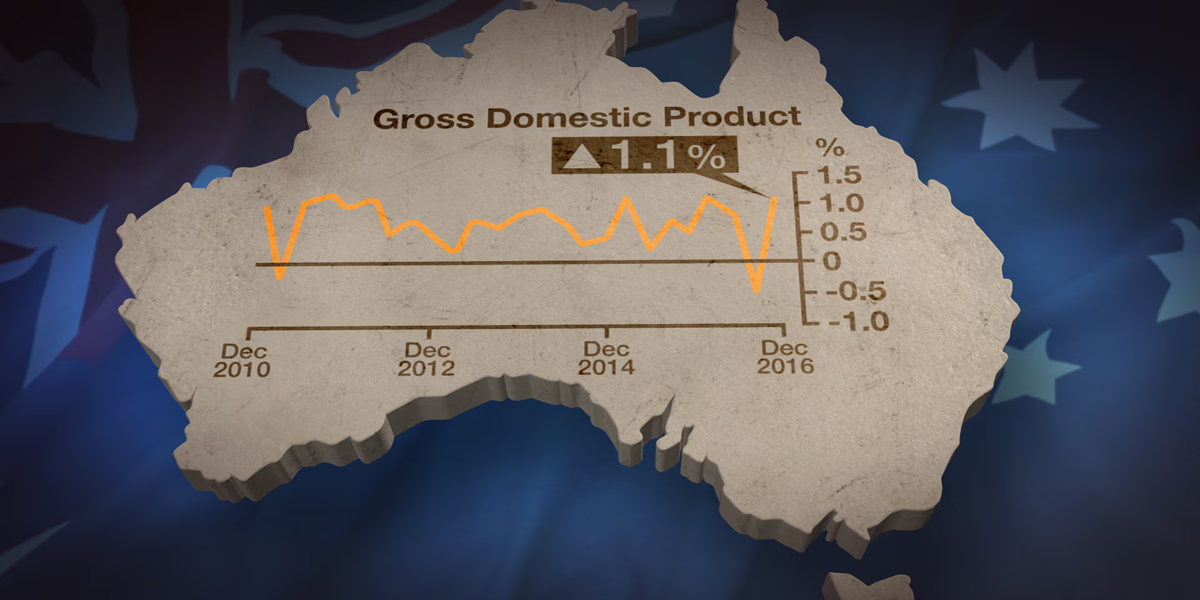
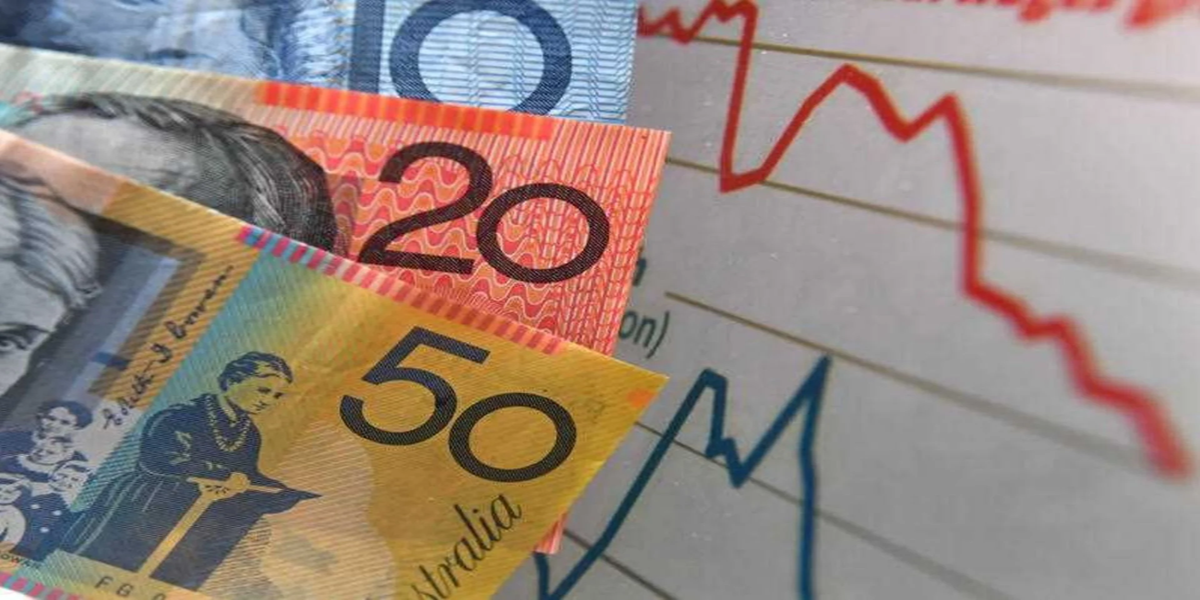
Prime Minister Anthony Albanese convened a national cabinet meeting to address the escalating fuel supply crisis, which experts predict could lead to a $16.5 billion reduction in the economy by next year. The conflict in Iran has contributed to soaring petrol prices, prompting delivery services like DiDi to raise their prices. Other companies, including Uber and DoorDash, are also considering similar increases to cope with rising operational costs.
Legal Changes for Immigration Detainees
In a landmark decision, Australia's High Court has ordered the removal of ankle bracelets and the end of curfews for 43 former immigration detainees. The court ruled that the existing laws targeting this group were unconstitutional, marking a significant setback for the Albanese government's preventative detention measures aimed at the NZYQ cohort.
Transport Infrastructure Delays
Victorian public transport users will continue to rely on Myki cards until at least 2027 due to delays in implementing a tap-and-go system. An audit revealed that a dispute between the state’s transport department and the US-based contractor Conduent has resulted in an 18-month delay, increasing project costs by $136.8 million. This delay has raised concerns about the efficiency and modernization of public transport in Victoria.
Cyclone Warning in Queensland
As the nation grapples with these issues, Queensland is preparing for Tropical Cyclone Narelle, which authorities warn could be one of the largest systems in recent memory. Residents are urged to stay informed and prepare for potential impacts as the cyclone approaches the coast.
Wrap-up
Australia is facing a multifaceted crisis involving fuel supply, legal reforms, and infrastructure challenges. The government's proactive measures aim to alleviate the economic burden on households while navigating the implications of recent court decisions and natural disasters.
Sources
theguardian.com
@hoju-korean.com Editorial Team




















댓글목록0