













Economic Implications of Middle Eastern Conflicts
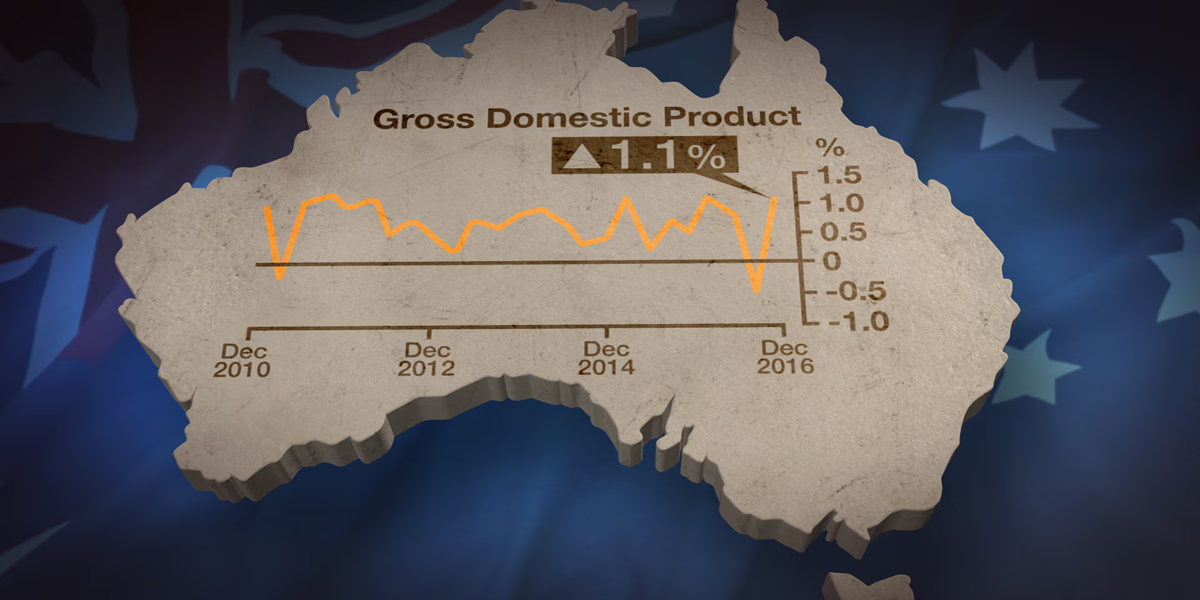
The Australian government is closely monitoring the escalating conflict in the Middle East, particularly its potential economic repercussions. Deputy Prime Minister Richard Marles stated that the government is taking the situation "a day at a time," recognizing the challenges posed by the conflict. The Reserve Bank of Australia has warned that the ongoing war could lead to a "supply shock," further exacerbating inflation. Marles emphasized that the focus should not be on the late Iranian leader but rather on the thousands of Iranians who have suffered due to the regime's actions.
Political Fundraising and Travel Expenses
In local political news, Senator Pauline Hanson of the One Nation party is facing scrutiny over her use of taxpayer-funded flights and vehicles for political fundraising events. This revelation has raised questions about compliance with parliamentary rules and the appropriateness of such expenses. The government is also considering increasing transparency regarding lobbyists' access to Parliament House, as Prime Minister Anthony Albanese has called for a review of the current system.
Prison Strip-Search Practices Under Fire
Advocates are calling for an end to strip-searches in Australian prisons, describing them as degrading and humiliating. A recent analysis by the Human Rights Law Centre revealed that over 15,000 strip-searches occur monthly, with a mere 0.58% resulting in the discovery of contraband. Survivors of abuse have shared their distressing experiences, highlighting the need for reform in prison practices to protect the dignity of inmates.
Concerns Over Automation in Care Assessments
The shift towards automated systems in assessing care needs for the elderly and disabled has sparked significant debate. Critics argue that relying on algorithms to determine essential supports undermines the human element of care, which is vital for the well-being of vulnerable individuals. Georgia Van Toorn, a senior lecturer at the University of New South Wales, has voiced concerns that such a system fails to account for the complexities of human needs, advocating for a return to professional assessments based on empathy and understanding.
Wrap-up
As Australia grapples with these multifaceted challenges, the government is tasked with balancing immediate responses to international events with the need for domestic reforms. The political landscape remains dynamic, with ongoing discussions about transparency, human rights, and the quality of care for those in need.
Sources
theguardian.com
@hoju-korean.com Editorial Team























댓글목록0