













Advance Australia Conference
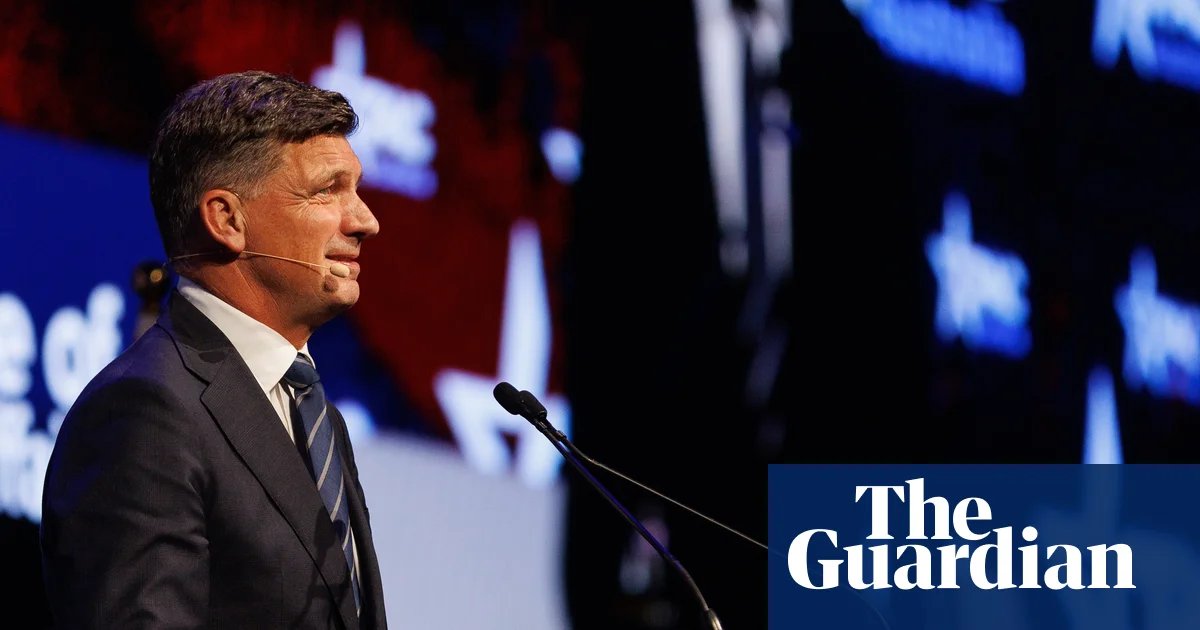
Last weekend, the group Advance Australia held its first national conference in Darling Harbour, promoting a theme of "evolve." However, leaked recordings from the event suggest that the group's agenda aims to revert to a perceived idealized past, rather than progressing towards a more inclusive future. Critics argue that such messaging undermines efforts for social cohesion in a country that prides itself on diversity. The conference has drawn attention to the ongoing debates surrounding hate speech and the definitions that often depend on the speaker's identity.
Albanese's Stance on Republicanism
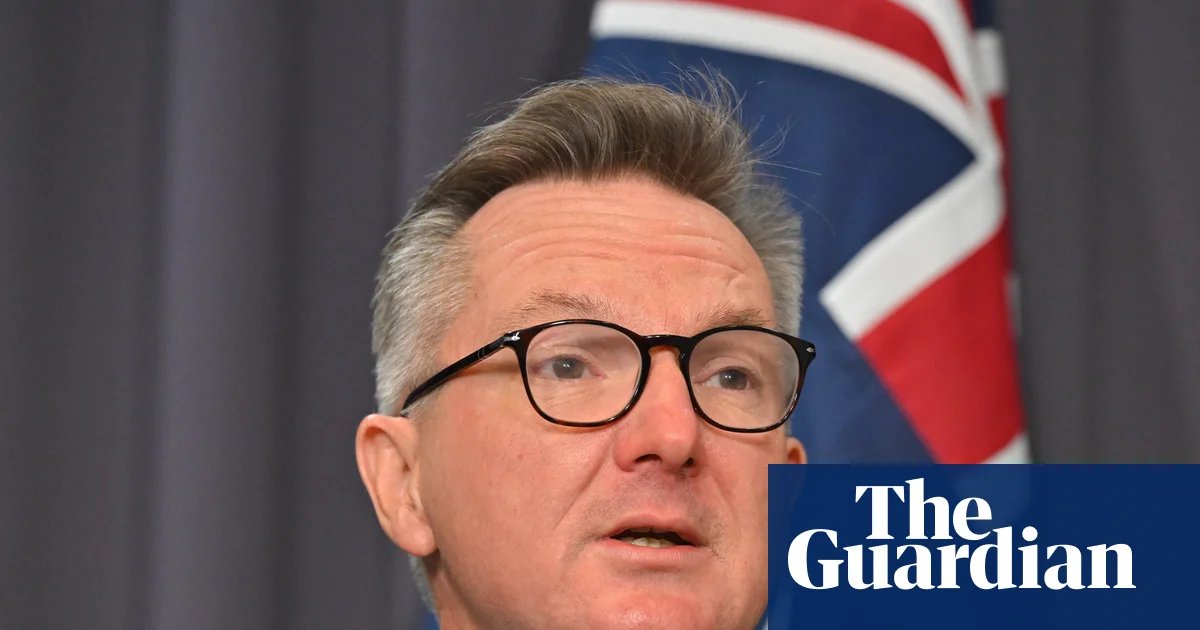
In a separate context, Albanese has expressed a firm stance on Australia’s potential shift towards a republic, particularly in light of recent controversies surrounding former Prince Andrew. While he acknowledges the ex-prince's "extraordinary fall from grace," he has clarified that this will not instigate another referendum on Australia becoming a republic. Albanese's comments reflect his commitment to addressing national identity while navigating the complexities of public sentiment towards the monarchy.
Hanson's Remarks on Lakemba
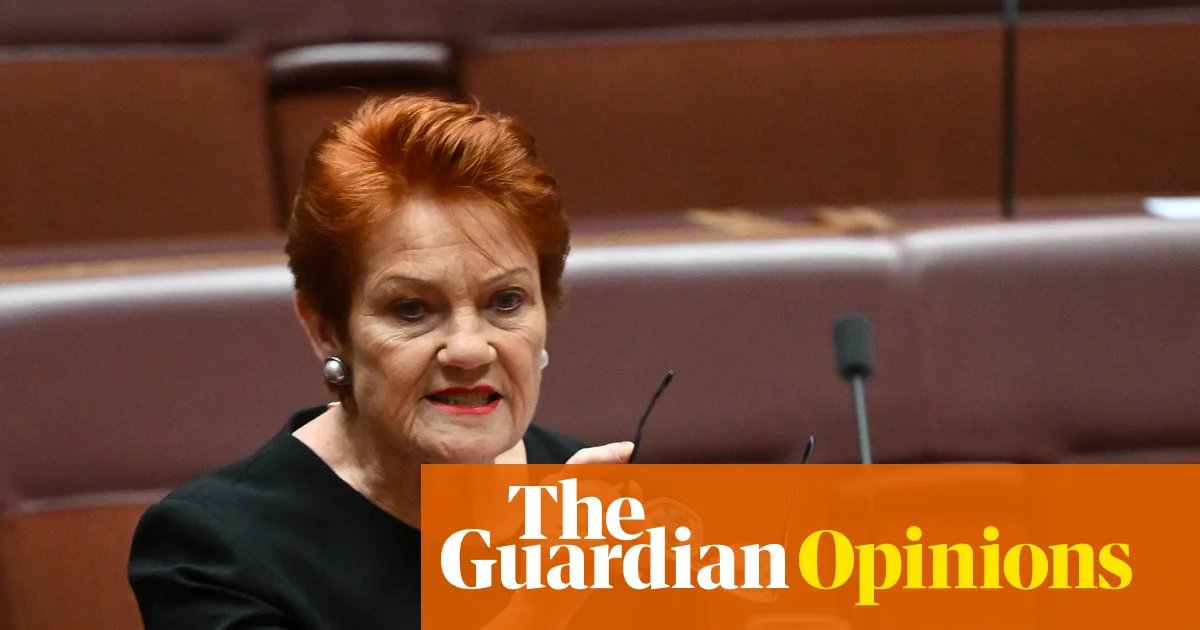
Right-wing politician Pauline Hanson, leader of One Nation, has sparked outrage with her comments regarding Muslims in Australia. In a recent statement, she suggested that there are no "good Muslims" and expressed feelings of being unwelcome in Lakemba, a suburb known for its vibrant Muslim community. This assertion has been met with backlash, as Lakemba hosts a significant number of attendees at its night markets during Ramadan, underscoring the suburb's cultural significance. Critics argue that Hanson's remarks contribute to a climate of division and intolerance.
Albanese Responds to Controversies
In response to Hanson's statements, Albanese firmly defended the Muslim community, reiterating the importance of inclusivity in Australian society. He emphasized the need for dialogue and understanding, particularly as the nation grapples with issues related to Islamic State families and their potential return from Syria. Albanese's comments aim to counteract the divisive rhetoric that has become prevalent in Australian politics.
Wrap-up
As Australia navigates these complex issues, the interplay between political discourse and social cohesion remains critical. Leaders like Albanese are challenged to foster unity while confronting the divisive narratives propagated by groups such as Advance Australia and individuals like Hanson. The outcomes of these discussions will likely shape the future landscape of Australian identity and community relations.
Sources
theguardian.com
@hoju-korean.com Editorial Team






















댓글목록0