










Emissions Standards and Auto Industry Penalties
Major car manufacturers, including Mazda, Nissan, and Subaru, may face millions in fines after falling short of Australia's new vehicle emissions standards. The regulations, introduced by the Albanese government, have shown that 68% of car companies exceeded their initial emissions efficiency targets within the first six months. However, the failure of these prominent brands to comply has raised alarms about their environmental commitments and the effectiveness of the new standards.
Repatriation of Citizens from Syria
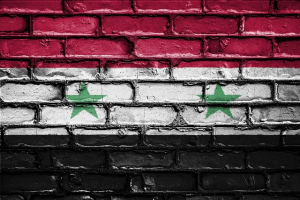
The Australian government is under scrutiny regarding its stance on repatriating citizens from a Syrian camp. Home Affairs Minister Clare O'Neil emphasized that individuals in the camp have the right to apply for passports, while opposition members argue that national security concerns should take precedence over citizenship rights. Shadow Home Affairs Minister Jonno Duniam expressed apprehension about allowing individuals associated with extremist groups to return, calling for stronger laws to prevent such occurrences.
Rising Violent Crime and Public Safety
In Lake Cargelligo, police are searching for Julian Ingram, a suspect in the alleged murder of three individuals. Ingram's history of domestic violence and threats has raised concerns about public safety in the region. As authorities continue to investigate, there is growing anxiety among residents about the potential for violent crime in their communities. The incident has sparked discussions on the need for improved law enforcement measures to protect citizens.
Economic Struggles and Wage Growth
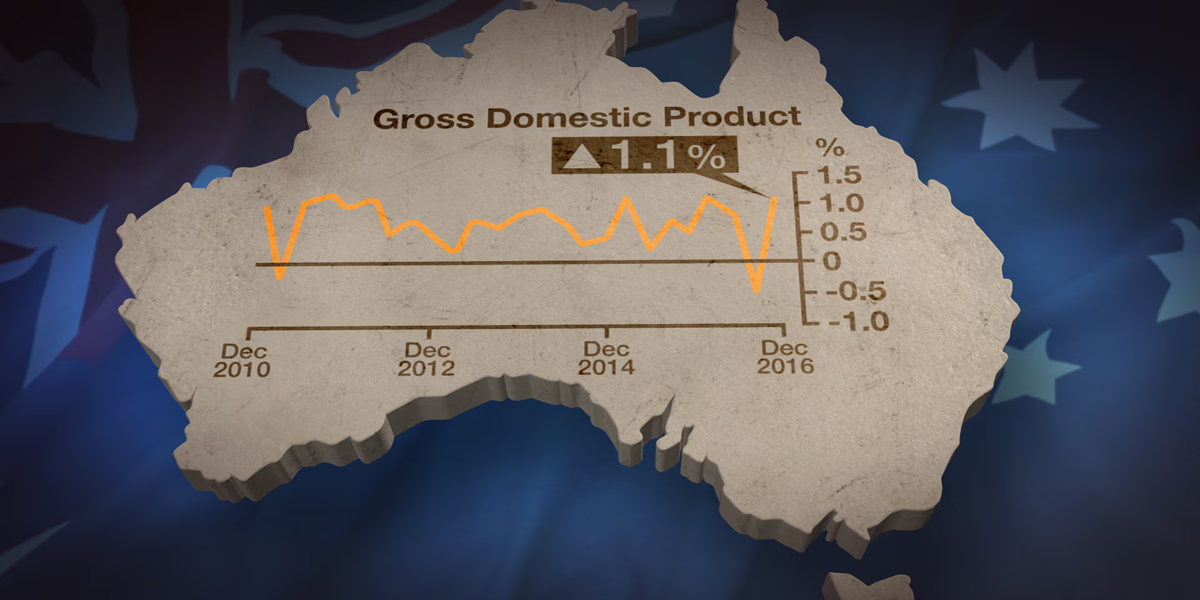
Australian workers are facing a decline in real wage growth, raising questions about the fairness of the economy. Recent data indicates that wages have not kept pace with inflation, leading to a decrease in purchasing power. The Reserve Bank of Australia has been criticized for attributing rising prices to wage increases, despite evidence suggesting that profit-driven inflation is a significant factor. This ongoing economic struggle is contributing to a sense of disillusionment among workers.
Protests and Police Response
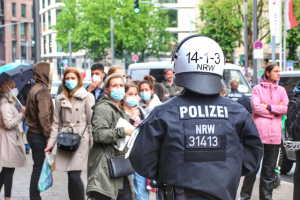
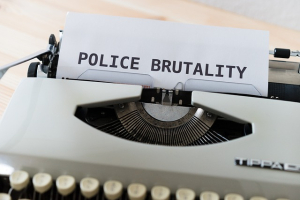
Protests erupted in Sydney and Melbourne against Israeli President Isaac Herzog's visit, leading to clashes with police. Footage from the protests shows law enforcement officers using force against demonstrators, which has drawn criticism from various community groups. New South Wales Premier Chris Minns defended the police's actions, stating that they were placed in an "impossible situation" during the protests. The events have reignited discussions about the balance between public order and the right to protest.
Wrap-up
As Australia navigates these pressing issues, the intersection of environmental policy, public safety, economic challenges, and civil rights continues to shape the national discourse. The outcomes of these situations will likely have lasting implications for Australian society and governance.
Sources
theguardian.com
@hoju-korean.com Editorial Team















댓글목록0